Thursday, October 31, 2013

Tweeting The L Word

Work is deathly boring today (Halloween pun kind of!), so here is my unsolicited post capturing pretty much everything I tweeted about The L Word, the show that carves your heart out with a spork, then throws its head back and laughs.

All you need to know is that Tina and Bette have been together seven years at the beginning of the show and are the cutest ever, and then Bette cheats on Tina at the end of season one and EVERYTHING GOES TO HELL AND THERE IS NO RETURNING. (...until season 5). Oh, and also Jenny is the worst.
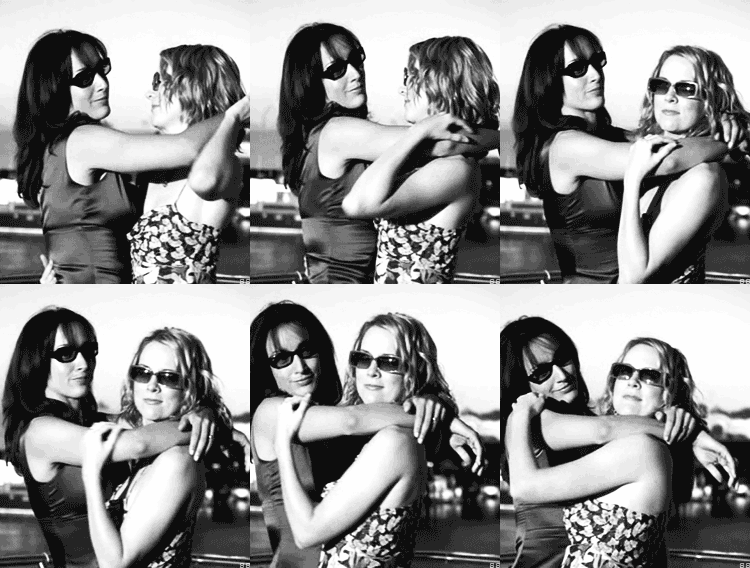
Season 1 Tibette (it's the ship name, damnit)

Seasons 5/6 Tibette

Seasons 2 through 4

TWEETS:

-How my day was supposed to go: clean room, get life in order. How my day went: watched 12 episodes of The L Word. So that's great.

-"I don't want a relationship with you; I just wanna be with you all the time." #stillwatchingthelword

-Wait, Bette and Tina make out while stuck in an elevator? Is this show fanfic on film? IS IT? (yes) 

-me: "GUESS WHAT I MARATHONED? The L Word." Doug (who has to talk to me all the time): "Noooooo!"

-"Bette and Tina -- whom you will be hearing a lot about--" "Nope."

-Wrapped in a blanket crying "No-ho-hoooo Tina and Beeeette!" #thelword

-This show lures you in with cuteness and then stabs you in the heart.

-If Bette and Tina don't get back together soon, I'm gonna punch a baby.

-Well. Everything horrible ever is happening in the s1 finale of The L Word.

-The L Word: We don't do "happy."

-Tina hired a lawyer and I've cried three times.

-The first episode of s2 is called Life, Loss, Leaving. Because more sadness was needed after the season finale. SCREW YOU SHOW.

-I like how the one guy in s2 of The L Word is a disgusting asshole. Because, y'know. Men.

-This is the most upset tv has made me since Donna Noble.

-Imma just be over here rewriting The L Word so that Tina/Bette get married in season 2 and have hilarious home improvement misadventures.

-The L Word's message: "Lesbians are a bummer all the time. All. The. Time."

-"What if we have a girl strip while crying, then another girl'll watch her father die, then another'll cry about her relationship ending?"

-My method for watching this show is to do other shit until Tina shows up. Then it's fullscreen time.

-Omg someone fire Jenny. Not even Mia Kirshner. Just Jenny.

-Whenever I ponder finishing s2 of The L Word, my brain goes 'Sure, if you want to stay up until 2 a.m. and WEEP TIL YOUR TEARS ARE GONE.'

-Whenever something happens at an imagined circus on The L Word, skip that part. Just skip it.

-And now Jenny's talking to fucking manatees. WHY JENNY.

-"I was hoping there'd be a special feature on the DVD to remove her from all scenes." - Jeff on Jenny 

-Remember when Jenny made two amazing speeches to Mark and was briefly not a terrible character? I remember that.

-I'm basically not invested in anything other than Tina being pretty.

-"Here are Tina and Bette. Care about them. Aren't they amazing?" *the show pulls out ice pick, stabs you* "THAT'S WHAT YOU GET FOR CARING."

-I am never going to get over the Bette/Tina proposal scene on The L Word. Neveeeeer.

-Bette and Tina on season 5 of The L Word are composed of fluffy bunnies and rainbows and baby unicorns.

-Bette and Tina on s5 of The L Word are like sparkling dew on a meadow of sunshine-filled happiness.

-Wow. The show ACTUALLY just said "Fuck you, Alice."
Tuesday, October 29, 2013

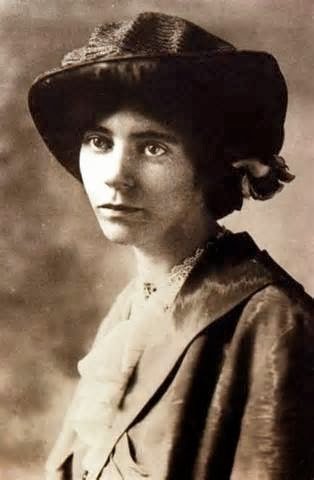
Alice Paul is made of sparkly unicorns AND ALSO TITANIUM

Alice Paul and the Battle for the Ballot. If you have been TORMENTED about what book you should read about the women's suffrage campaign in America from the turn of the century to 1920, LOOK NO FURTHER.

If you haven't heard of Alice Paul, well, neither had I until my friend linked me to the Bad Romance suffragette vid that I have posted before, but ALLOW ME TO POST IT AGAIN because I was watching it every day back in June:


I watched it about 15 times before learning the lead in it is supposed to be Alice Paul. Alice Paul, whom the author says was as important to the suffrage movement as Martin Luther King, Jr was for civil rights. BOLD WORDS, MADAM. But her book bears them out. It moves quickly, and has the advantage of being written by a journalist rather than a historian. If you've read books by historians, I am so sorry. I love historians, but WE DON'T NEED THAT MUCH DETAIL. Mary Walton is excellent at picking out interesting pieces of information and putting them in a story that keeps moving. I enjoyed her writing to the point that I'll read whatever other books she's written (...I think her other is about the American workplace).


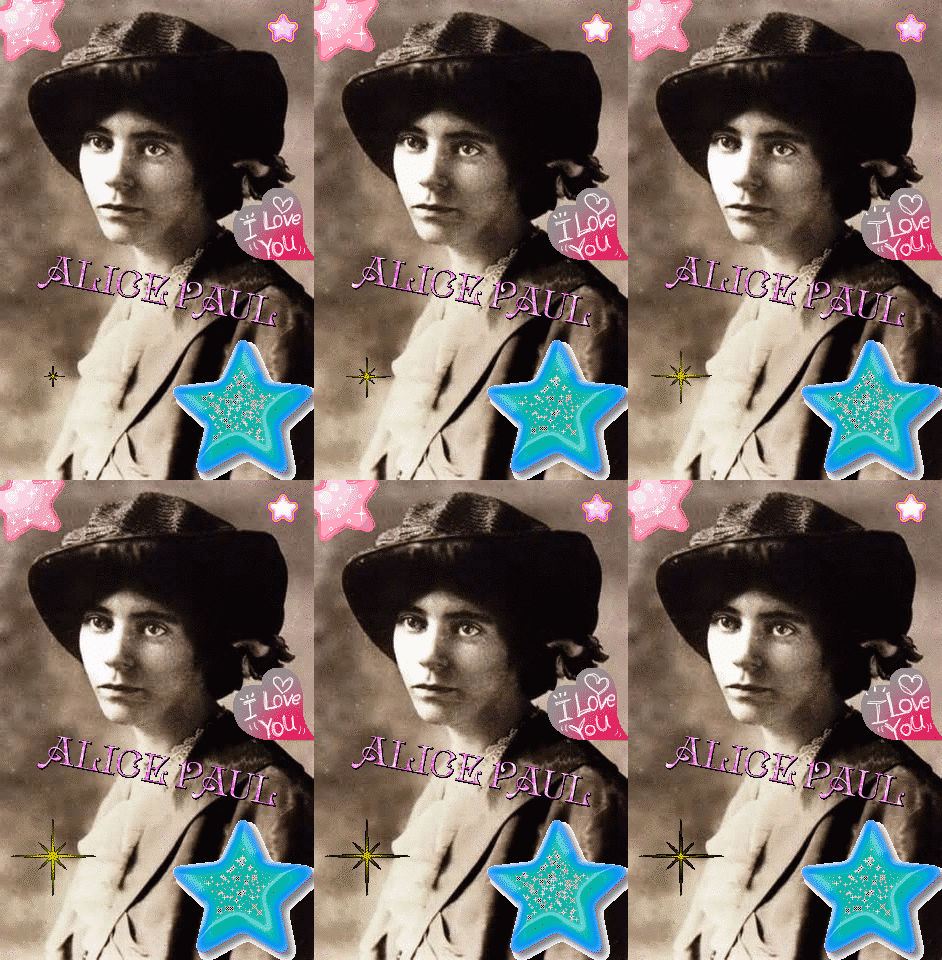
Alice Paul, hiding her badassness

Alice Paul was a Quaker from New Jersey. As a Quaker, she already believed in equality between the sexes, but it wasn't until she went to England and worked with Emmeline Pankhurst (of "take heart for Mrs. Pankhurst has been clapped in irons again" Mary Poppins fame) that she got politically involved in the suffrage movement. Because suffrage was being fought for in the UK and US AT THE SAME TIME. Only we in the US looked down on the suffragettes in England because they were doing hilarious things like pouring acid on golf courses and saying "NO GOLF UNTIL WE GET THE VOTE" and popping out from hidden corners in government sessions and yelling "VOTES FOR WOMEN" before they were dragged out by police.


Alice Paul took right to these tactics, and she and her American friend Lucy Burns did things like scale scaffolding and come into buildings through the roof so they could interrupt legislators by popping out again and unfurling banners for their cause.


She and Lucy took this back to America, where the movement had stagnated. The women at the head of the National American Woman Suffrage Association (also just called "the National") were older and inclined towards what they saw as practicality, so they were trying to win the vote state by state (SOUND FAMILIAR?). Alice looked at this and said "Fuck this noise" and decided we needed a federal amendment or some women would never get the vote (lookin' at you, Alabama). The men's response was, of course:


She organized a MASSIVE parade in 1913, which is where the adorable Boy Scout thing happened. The National (headed by Carrie Chapman Catt, who was a total badass) didn't like how Alice and her group handled things, and still disagreed with the federal amendment idea, so Alice broke off and formed the National Woman's Party, which was basically NAWSA, but made up of mostly young women who wanted to take a more radical stand.


And what did they do? Traveled the country. Campaigned against Democrats even though they were the party that had been helping them, because they weren't helping ENOUGH. Demonstrated some of the first nonviolent protests. PICKETED THE WHITE HOUSE. They were the first people to do this, thereby helping turn the White House from a residence to a political center.


Oh, and they pissed off everyone. Everyone. Because when the US entered WWI, they didn't stop picketing. England did. But the National Woman's Party? Hahahahahaha no. They did this:


THEY CALLED THE PRESIDENT 'KAISER.' Damn, ladies. So yeah, a mob ripped that right up. The women refused to fight back, and then they brought out another banner. And the mob ripped that up too. And then the women were arrested for "obstructing traffic."
The jail itself was cold and so filled with vile air that on arriving Alice Paul had hurled the sole book she brought for entertainment during her imprisonment, a volume of Robert Browning's poems, through a high closed window in a common room, breaking the glass and letting in some ventilation. Her unerring aim drew cheers from the other prisoners.
They kept arresting them, then the women would refuse to eat, some would be force fed, and eventually they'd be released and go right back to picketing. Each time interest would die down, Alice Paul would engineer something else to get them publicity. Like burning Wilson's words in a public park. The National condemned their tactics, they lost members, but they kept going and refused to use gentler means of protest.


Kinda boiled down to this

When an Idaho senator wouldn't vote for suffrage, they put up a banner in his town counseling people not to vote for him. One of the suffragettes stationed in Idaho wrote:


'A band of men climbed to the roof of the building and shot at it.... We have now given out the statement that we will have kites made and float them, so they cannot be taken down.' There was only one problem with this plan. 'Unfortunately no one knows how to make a kite in this town.'
They also had a giant card catalog system where they kept a dossier on every senator and representative, knew what they liked and didn't like, which clubs they belonged to, where they went to school, anything that could help them change their vote. This was later cited as a game-changer in the vote for suffrage. 

The amendment kept coming up and losing. But by 1919, it was losing by very slim margins. In rhetoric being used today, "Sen. Edward Gay of Louisiana...offered up the familiar argument, 'the right of the States to decide this matter for themselves.' The amendment lost by one vote."


Not to go off, but have states' rights EVER BEEN USED FOR ANYTHING GOOD? They must have. Probably uncontroversial stuff. But with controversial things, I need to hear about one time they were the hero of the piece. Instead they're invoked for slavery, giving black people the vote, and against gun control, Civil Rights, and marriage equality. Stop invoking states' rights for terrible things. Stop iiiiiiiiit.

As you might have learned (and is pantomimed in the vid above), the amendment finally went through, but had to be ratified by the states. It all came down to ONE GUY in the Tennessee legislature, a 24-year-old named Harry Burn who had previously voted against suffrage. But he had received a letter from his mother, the key line being "Hurrah and vote for Suffrage." And with the legislature in deadlock at 48-48, he voted for the amendment, and half the country was suddenly able to vote in the 1920 presidential election.

All of this happened when it did because of Alice Paul. After one of the earlier votes, a Southern congressman told one of the suffragettes:
'Your being so annoying and persistent and troublesome and being just like that sand that gets into your eyes when the wind blows, is what has put the suffrage amendment on the map. It is like a cinder in your eyes, you have to get rid of it. What your organization has done means this amendment is going through ten years sooner than it ever would have done without you.'

 What's that famous phrase? Those who do not learn from history are doomed to be total jackasses? Something like that. I think I'm inclined to be on the side of the National in most present day cases. Don't be too antagonistic, you'll lose respect, don't try to force the issue. But Alice Paul and the National Woman's Party said TO HELL WITH THAT and they withstood freezing temperatures as they stood directly outside the President's home with banners telling the visiting Russian ambassador that President Wilson was "deceiving Russia." 

They refused to stop pushing until they got the amendment through. To be honest, I'm a little uncomfortable that that worked. Because that means being inflammatory and RELENTLESSLY irritating works. And I'm totally with Carrie Catt, over here sipping my tea and looking up from under my very large hat while a senator tells me why this is the worst possible time to be discussing the matter and let's discuss it again next term maybe.


Alice Paul got us the vote in 1920. If you're going to know the name of one suffrage worker, know hers.


Monday, October 28, 2013

Scary Book Recap Thing

Since it's Halloween week, I'm gonna do a recap of the very few scary-ish books I've read (that I remember). DON'T BE JUDGERS. Some people have different scariness triggers than others.

The Historian, Elizabeth Kostova. I read this junior year of college, and whatever, People Who Didn't Like It, the first 4/5 is great. I just remember there's a rat-faced librarian vampire and he made me unable to read the book at night because I'd be afraid of him sniffing around and getting into my college apartment.


The Haunting of Hill House, Shirley Jackson. Read it 'cause I heard there were lesbians. Only lesbians if you squint. Boo hiss and not actually that scary. Also, I will never stop accidentally calling this book "The House on Haunted Hill." You know why? Because around 1999, The Haunting (based on this book) and The House on Haunted Hill (not quite based on this book) came out. I saw both and have been forever confused. Thanks, HOLLYWOOD.


Dracula, Bram Stoker. I think I read this when I was like 18, and I loved it WITH ALL THE FORCE OF AN 18-YEAR-OLD. All I remember is that Mina's a badass and the ending was TREMENDOUSLY satisfying. But yeah, totes scary. In a less-scary-than-The-Historian sort of way. Also, I'd like to take this opportunity to say that I genuinely love the movie Dracula: Dead and Loving It. Mostly because of childhood nostalgia, but also because certain scenes are FOR REALS hilarious.


Hell House, Richard Matheson. I don't know if this scared me as much as disturbed me. It's one of those things that doesn't seem to have much in the way of redeeming value, and mainly just focuses the mind on a place that's dark, which again, I do not do. It's less 'I don't want to think about unpleasant things' and more 'This feels unhelpful regarding anyone's betterment in any way.'


Unlike Pandalf

The Woman in Black, Susan Hill. Ok, the movie version really scared me. The book less so. But I screamed in the movie theater, so this should count.

THAT IS LEGIT IT. Meaning I went through over 300 books on Goodreads and that's what I found. I'm pretty sure I was scared by some Goosebumps and Fear Street when I was younger, but they are sadly not on there. OH. And I specifically remember being frightened by Werewolves Don't Go to Summer Camp, which if you will remember was part of the stellar series that began with Vampires Don't Wear Polka Dots

Ahhhhh!


I'll read some Stephen King, guys. I totes promise.

Wednesday, October 23, 2013

Marriage Equality in Illinois: It's 2013 and this is somehow still something we have to march for

Yesterday I went to a rally in Illinois's capital called the March on Springfield. For those who don't follow 8 million gay news twitter accounts, almost one-third of our nation's states have made marriage equality law, and Illinois still has not. Illinois, the liberal bastion of the Midwest. ILLINOIS, land of Abraham Lincoln, first state east of the Mississippi to grant women the right to vote in presidential elections, first state to strike down anti-sodomy laws -- we are now behind California, New York, New Jersey, all of New England, Maryland, Washington, IOWA AND MINNESOTA. Do you know how embarrassing it is to live in Illinois and have Iowa and Minnesota be more progressive than you?

The marriage equality bill passed our Senate last session, but they didn't have the votes in the House. There's a session going on right now, and the hope is enough work's been done over the summer to pass the bill. A lot of representatives are scared of how their constituents will react and so won't even state their position on it. The rally was to show the support for the bill, and hopefully help sway those on the fence.


The bus for the rally was supposed to leave at 7:30, since Springfield is three hours from Chicago. It was organized by the Chicago Coalition of Welcoming Churches, and I was going with four people from my tiny Presbyterian church. Half the bus was Unitarian, so BLESS YOU, UNITARIANS. I make fun of your beliefs when I've had one or two glasses of wine, but I still love you.


You know when you go outside in the morning, and the moon and the stars still hang aloft in the firmament and you say "Hm. I am maybe not supposed to be awake and outside right now"? NO OF COURSE YOU DON'T BECAUSE NO ONE SHOULD KNOW THAT EXPERIENCE. I woke up at 5:15, which is just...no. It was 30 degrees outside, so all of my time before the bus came to take me to the other bus was spent muttering "Idiotic state of dumbness, why do we live here; no one was supposed to live here; we should all be in the south where it's warm and they have giant insects; stupid stupid Illinois and its lameass weather." Then the bus came and my CTA card didn't work and I had a forceful exchange with the bus driver which DIDN'T FEEL LIKE THE BEST WAY TO START THE DAY. But it all worked out in the end, and I got there very early and then this blessed thing happened:


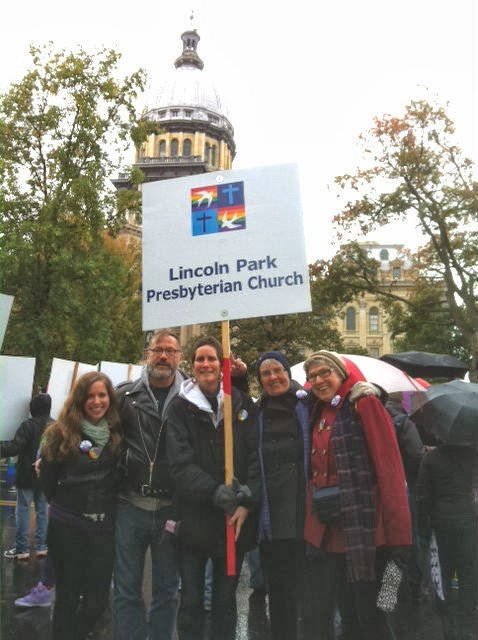
We set off around 8 AM. I accidentally sat next to one of the only other young people on the bus, and we all watched the documentary For the Bible Tells Me So, which I've seen maybe 75 (read: four) times and it is the best. When we pulled into Springfield, we had to put together church signs and then try to hold them + umbrellas, because oh yeah, it was raining and cold.

The signs attached with two screws. Some teamwork
was occasionally required.
So many umbrellas in front of the Capitol

I wasn't planning on talking to my representative, but my church's flagship lesbians were going to talk to theirs...and I was walking with them...and I have no problem insinuating myself into someone else's busy day and demanding they talk to me (if they have a moment). So when they asked if I wanted to talk to mine, I said "Okey dokey." My pastor walked by and saw me, so she decided to come in and offer moral support because she is the best.

Sneakily-taken-from-the-hallway pic

I went into my representative's office and basically just grinned like an idiot at his stern secretary.

"Hello! I would like to speak to Representative Turner. I live in his district."

"You live in his district? Was there anything in particular you wanted to talk to him about?"

"The marriage equality bill?"

And I kept grinning. And grinning. And she finally grinned back and it was awesome. And she got up and went into his office and he came out about a minute later and was SO HANDSOME and I was all "Hello Handsome Representative, I have possibly voted for you or maybe I slept in that day I don't remember, BUT you should vote for the marriage equality bill because it is awesome."

In the midst of saying that. Please note
his handsomeness.

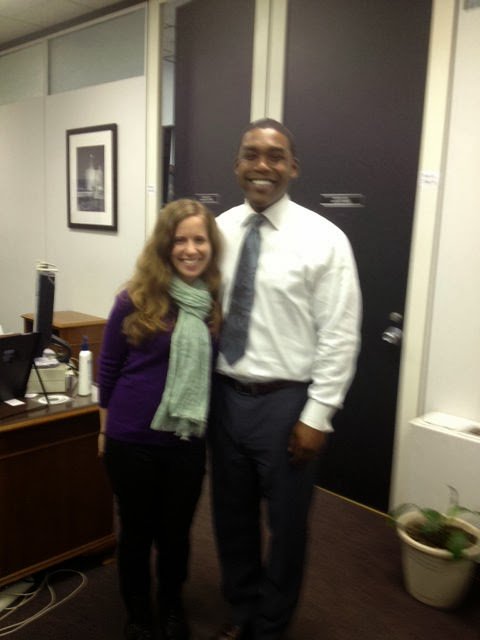
Then he COMPLETELY SURPRISED ME and said he supports the bill for personal reasons, and the district's divided about 50/50, but it was a matter of conscience for him. So if anyone wants to come up with a plan for me marrying my representative, it would be APPRECIATED. And then I think I said "Fantastic" about ten times and made him take a picture with me (as I had been unaware of the one above):

WE WOULD BE THE SMILINGEST
COUPLE EVER

Then I stood holding a church sign for three hours as we listened to speeches and then marched around the Capitol. Now about rally speeches -- look. I get that there're a lot of organizations involved. And you want to have everyone feel represented. But you need to cap it off, organizers. You wouldn't think it, but I do have a limit as to how much I can yell "wooooooo!" So we're standing there, holding our giant church signs, and all of a sudden, a man from the Gay Liberation Network gets up to speak.

Here's the thing. One of the many reasons I know marriage equality is the right thing is because of what it inspires in people. People who are pro-marriage equality are joyous and hopeful and happy about love being recognized. People who are anti- are fearful and angry. Exceptions can be made on both sides, but this man's sign summed it up pretty well:


So when the man from the GLN started speaking, I was at first uncomfortable, then started laughing incredulously as I exchanged stunned looks with my pastor. Because this man was FURIOUS. Just incredibly angry. And while there are reasons to have the most righteous anger imaginable -- needed pensions being denied to surviving spouses, decade-long relationships not allowed the stability of the word 'marriage,' mothers being shut out of the emergency room where their child is dying because 'the mother is already in there and we don't have a form for two' -- these are reasons to be angry, yes, but when it comes to rage-filled, spittle-flying invective against the government and its seeming inability to act, that is not how we do.

We make hilarious signs. And speak honestly about why this is actively hurting us. And look, I'm really sorry if your bakery had to close because you felt it was wrong to make a cake for two women who wanted to get married. But if it's you feeling icky versus emergency room visitation rights? Really don't care about the icky thing.

So the GLN speaker was a shock and the opposite of how everyone else I saw yesterday felt. Well. Aside from that one man who made fun of bishops from one denomination before introducing another bishop who was pro-marriage equality. When the latter got up, he said "May God forgive you for that introduction." WELL-PLAYED, SIR.

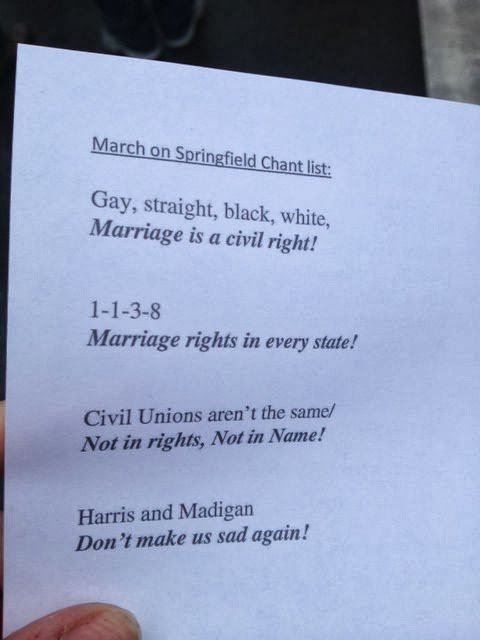
After the angry man and everyone else spoke, we marched. They gave us this paper with the chants written down:


First of all. Harris is the main proponent of the bill, and hey, maybe he's working really really hard to get it passed and we should lay off him. Second, THAT LAST CHANT IS THE WORST AND I WILL NEVER SAY IT. One of the people I was walking with asked what it was, and when I told her she said "Oh, I thought it was 'Don't make us say it again.'" Way to improve it by ACCIDENT.

*mutters* "'Don't make us sad again.'"

We didn't march in a full square, because as we were nearing the end, we all saw the buses and after three hours in the cold and the rain, I was at this point:


So BACK ONTO THE BUS, where the girl I had met at eight o'clock that morning fell asleep on my shoulder, because marching and long bus rides conquer all social protocol. Everyone had been up since at least six and everyone had stood in the cold for hours and hours, and EVERYONE was in an awesome mood and nothing but kind and courteous. Successful marriage rallying all around.

Illinois, you better pass this soon.


Monday, October 21, 2013

The River of No Return: "Why when we talk about time travel do we always have to kill Hitler or not kill Hitler!"

EVERYONE READ THIS BOOK.

The River of No Return is about time travel. An English lord in the middle of a battle in 1812 suddenly time travels to 2013, where he's taken care of by an organization called the Guild, who set up new lives for people who jump through time. In 1815, a girl named Julia is in a precarious situation, as her grandfather (who can play with time) dies and her asshole cousin moves in. SO MANY THINGS HAPPEN. But I don't want to spoil them, so that is the premise and you should read it.


The only reason I'm relatively sure the author did not write this after talking with me about how to write my favorite book is that the main character is a gentleman. An INTERESTING gentleman, but a gentleman nonetheless. But it opens with a lady, who could very easily have been a Mary Sue 'look how clever and witty I am' sort of character, but she manages to sidestep that — a fact for which I am most grateful.

I read it in like four days. Which is, as you know, ridiculous for me. I didn't read other books. When I couldn't bring it with me (it's a hefty hardcover) I was SADDENED because I couldn't read more of it. This usually only happens for me with Rainbow Rowell's books.


It's so easy to get time travel wrong. It's the BEST STORY IDEA, but you can just muck it up in so many ways. Time and Again by Jack Finney sucks, Time Traveler's Wife sucks, Outlander is good for what it is (time travel romance novel hurray!), but you can put in too many historical figures, become too didactic, get overly obsessed with the science of it, get bogged down in "Ooh look at the Past!" and Bee Ridgway does NONE OF THIS.


She doesn't talk down to the reader. You don't know a term? This is the 21st century -- look it up. I had no idea what a hussif was, nor was Ms. Ridgway going to tell me. Thank God. There wasn't even one of those obnoxious glossaries at the front. "Here're some terms you might not know!" No. Bee Ridgway is having none of that. You teach yourself that shit.

Bee Ridgway gives precisely NO bothers

The book spends a good amount of time in 1815, and somehow convinced me in the course of it that the author had firsthand knowledge of what it was like, which is pretty damn impressive. My brain: "Oh, so THAT'S what the air smelled like. Good thing we have someone alive with this knowledge...wait."

ALSO THERE ARE SEXYTIMES. If you're weirdly squeamish about that sort of thing for some unknown reason, then I guess this might not be for you? Way to limit yourself, sir or ma'am. I'll have you know there is making out in a forest against a tree, aka THE BEST KIND OF MAKING OUT.


Like this, but with a dude

My sole complaint is that when it ended, I panic-flipped through the acknowledgements and author bio. "THERE HAS TO BE MORE," I said, as Doug -- famed friend and co-worker -- stood there, frozen and unsure how to help. But I have been told that there will be a sequel. Good. That's good. Because as the pages become fewer and fewer in number, you think 'But....there's this unanswered question. And this one. And this one!' And the book makes no indication that a sequel is forthcoming. But rest assured. It is. 

Finally, the main character's name is Nicholas Falcott, Marquess of Blackdown. And just...omg. Do you really need anything else? I don't think so. 

Thursday, October 17, 2013

Donna Tartt's The Goldfinch is very long and very, very good

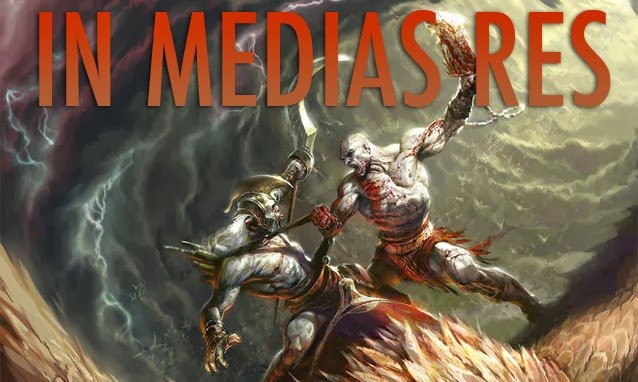
My first thought when looking at the page total for The Goldfinch was essentially 'Well, that's not gonna happen.' Because there are 706 pages in the eBook version (784 in hardback). You have to have at least a modicum of hubris to write a 700 page novel. It's not even like it's about the fall of Constantinople. No. It's just about "humans." Doing "kind of regular human things." And it doesn't help that the first chapter is one of those "Let's plunge you into a vague situation and give you almost no idea what's going on" in medias res sorts of beginnings.


...not quite as dramatic as this, though.

BUT THEN. Then you get swept up in 13-year-old Theo Decker's life and don't want to leave.

There are certain works of literary fiction that go beyond the common reading experience, and give you something you feel you yourself have lived. At the end of one particularly relentless, emotional, ruthless chapter, I sat in my chair and just exhaled "Wow..." Donna Tartt is an author who reminds you what good writing really is -- that other people might be practicing writing, and sometimes being entertaining, but truly capturing humanity and shared experience? No.

Theo Decker starts the book as a 13-year-old, and you go with him through his 20s, albeit with some major timeline skips. All the action is a result of a moment at the beginning when a bomb goes off at the Metropolitan Museum of Art, killing Theo's mother and -- through CIRCUMSTANCES -- leaving him with a 1654 Dutch painting called 'The Goldfinch.'


While I carry no love for The Goldfinch as a painting, this is incidental. What you should keep in mind while reading so you can better understand Theo and his actions are paintings you love as much as he loves his. So sit, and think 'What painting would I want to keep with me and bring out at moments when I couldn't help doing otherwise, and just sit there, loving it?' I know I have a few, but the two that spring to mind are Fisherman's Cottage, and Belated Party on Mansfield Mountain.


this is the best painting in history. do not question me.

"[I]f a painting really works down in your heart and changes the way you see, and think, and feel, you don't think, 'oh, I love this picture because it's universal,' 'I love this painting because it speaks to all mankind.' That's not the reason anyone loves a piece of art. It's a secret whisper from an alleyway. Psst, you. Hey kid. Yes you.'"

So think about those paintings, read about Theo, and go with him as he moves from place to place, in what seems at first to be a tribute to the cross-country American novel, but quickly becomes something else. I find it hard to define The Goldfinch. Is it very long? Yes. Should it be read? Yes. The fact that I finished it should be a testament to this. It comes out on October 22nd, and Little, Brown was kind enough to let me review it before then. Buy it, put it on hold at your library, just read it, and then talk with me about it. Because I have Opinions on Things. (and also we need to talk about Boris)

Wednesday, October 16, 2013

Is it a good idea to read scary things?

I spotted Fast-Walking Couple again today after MONTHS of no sightings. There is a picture on twitter, because I refuse to keep that from their loyal fans. If I'm not invited to their wedding, I will be seriously displeased. And the wedding invitation shall be addressed to "That Creepy Girl Who's Blogged About Us for Over a Year and Is Much Too Invested in Our Relationship."


Now that it's nigh on Halloween, I've been thinking about scary books. Mostly because I almost never read them. And here's the thing. I obviously have one particular worldview. Everyone has a worldview. Mine has been heavily influenced by Christianity, because I became a Christian when I was 13 and, in case you were unaware, I tend to throw myself into things. So couple the boundless free time and energy of a 13-year-old with a new religion and BAM. Still trying to sort out the wheat from the chaff there (ahahahaha and that is a biblical reference in case you did not know, behold my scholarliness).

So the Bible (more particularly, probably Paul) says "Finally, brothers and sisters, whatever is true, whatever is noble, whatever is right, whatever is pure, whatever is lovely, whatever is admirable—if anything is excellent or praiseworthy—think about such things." So we've got that verse. And then there's the idea of purposely putting horror/terror in front of you. And I just don't know. I feel like there's enough in this world that's awful without purposely exposing yourself to more of it. BUT I also understand that when it's in the secure, closed environment of the novel, it can be a way to process the feelings that those awful things give you.

unlike the horrifying reality Ariel
had to face this week

There's also the question of if scary novels are just not your cup of tea. I got scared by Zombieland. Which was a comedy. I also have some issues with Shaun of the Dead. I couldn't read The Historian at night because of that rat-faced librarian vampire (btdubs, I don't care if it an unpopular opinion: I loved 80% of The Historian MUCHLY). I'm also unreasonably impressionable, so if I read something like Hell House by Richard Matheson, I will get depressed because of the overpowering influence of demonic forces and humanity's helplessness in the face of them. Because of this, I'm unsure as to the benefit of them, beyond the aforementioned control over what is by definition not in our control ("Oh, don't worry, the killer has to go away in an hour and a half").

Which is actually the main issue I have with frightening fictional things. They don't go away when the fictional thing has ended. I can't be alone in my apartment when it's over. I have to check every corner and call people and turn on all the lights. These things stay at the forefront of my brain. They very much enjoy their time there, as I find it impossible to think about anything else. Which means that when given the choice between a Patrick Dennis novel or Stephen King (whom I WILL read someday), I'm going to choose to read about the madcap adventures of Auntie Mame. Which is so not seasonal, but does save you all from getting 11 PM phone calls from me.

Tuesday, October 15, 2013

Bleak House is the best and I guess this post has Oliver Twist spoilers

I've talked a lot this year about how Dickens was kind of an asshole but I still love him, only not so much him the person as the words, THE WORDS that flow from his blessèd pen.

Bleak House is his best book. No, I haven't read David Copperfield. Or Tale of Two Cities. Or Little Dorrit. Or...others. But it's still his best book. The way I came to Dickens is in high school I made myself read Oliver Twist, because I loved the character Nancy in the musical Oliver ridiculous amounts (she sings a song called 'Oom-Pah-Pah,' people) and thought the book would flesh her out more. Ehhhhhh! Wrong! Oliver Twist isn't just Dickens: it's EARLY Dickens, which means black and white portrayals of people and EXTRA flat female characters.


Poehler's not putting up with
your bullshit, Dickens

I wrote a paper on Nancy using an idea I stole from a Nabokov novel, saying that because characters in the Oliver Twist world exist on the good or bad side, and she is an in-between, she has to die. IT WAS A GOOD STOLEN CONCEPT, OKAY? But anyway. Oliver Twist the book kind of sucks, especially compared to the amazing musical, which you should all watch. And so I haaaated Dickens. Then I went to college and got very excited about the prospect of taking a class called Victorian Literature and Culture. But two of the required books were Dickens. One was Oliver, so...that was great, and the OTHER -- the other was a giant-ass book called Bleak House, which sounded just SO up. Yeah, no, I was not looking forward.

Then we started it and...it was the best. Bleak House takes Victorian social problems, tens of characters, wit, brilliance, pathos, psychological insight and MIXES 'EM ALL UP TOGETHER, and the result is characters like Mr Turveydrop and Jo and Mrs Jellyby and George Rouncewell and Lady Dedlock and Mr Guppy and Inspector Bucket and Harold Skimpole, and these are people who inspire rousing feelings. Do you know how much I want to give Jo a place to sleep? And shake Mrs Jellyby until she forgets about the natives of Borrioboola-Gha and starts keeping her children from getting their heads stuck in fences? And hug Esther -- WHO DOESN'T WANT TO HUG ESTHER?


let me give you raccoon hugs, book character

My younger self loved it maybe even more. In the course of writing this, I found a college response paper to Hard Times which begins, "Reading Dickens's Hard Times after the masterful creation that is Bleak House is a bit like hearing the Berlin Philharmonic followed by Uncle Chuckles's Moosejaw Sinfonia." (I really didn't like Hard Times)

Bleak House isn't historical like Tale of Two Cities, it isn't didactic like Hard Times, it isn't obsessive and limited like Great Expectations, it isn't meandering and pointless like Pickwick Papers (note: I still love Pickwick Papers), it doesn't have senseless moments like Our Mutual Friend. It catches Dickens in a rare moment of just being very, very, very good. You almost always have to excuse something in his books, but Bleak House can be read without that sort of wariness. It is excellent, in the true, excelling-all-others sense. Go read it.

Monday, October 14, 2013

50 Works of English Literature We Could Do Without

Some time ago, I was wandering the stacks at the Chicago Public Library's main branch (eight floors! escalators! shiny things!), and I happened upon a book called Fifty Works of English Literature We Could Do Without, which I of course immediately checked out. I cannot recommend browsing library stacks enough -- this method also led me to the pamphlet Hunting the Highbrow by Leonard Woolf, which I now get to casually toss out that I've read. Ah, stacks.

Fifty Works was published in 1967 by three people about whom I've invented a backstory, most of which has since been proven false, but whatever.


The authors, in my mind, are three graduate students in England who are all so brilliant, bored and irritated by the undergraduates that they decided to start writing essays on why all the books the undergrads like are rubbishy ones. And then they said "Well, these are obviously excellent essays, so let's publish them." And of course someone published them. Because of the aforementioned excellence.

What seems to actually be the case is Brigid Brophy was a 38-year-old novelist/feminist/pacifist; Michael Levey was a 40-year-old art historian and married to Brigid; and Charles Osborne was a 40-year-old journalist and theatre/opera critic. None of them put their names to their essays, but it doesn't matter because they are all hilarious.

I can't say anything more except to fill the rest of this with quotes. You should read all the essays, though. Since it was published in 1967, we have by now learned to "do without" some of the works mentioned, but the majority still thrive in the canon -- something which I'm sure would dismay the above three.

Before you let fly with a scream at our iconoclasm, pause and play fair: do you *really* like, admire and (most important criterion of all) enjoy the works in question, or do you merely think you ought to?

Goldsmith had a great reputation for amusing children. If children are to be equated with uncritical innocence and merry stupidity, it is perhaps true to say that She Stoops to Conquer will amuse children.


What can be made of a writer who at the most poignant and harrowing climax of his novel describes events only with the desperate phrase that they 'surpass description'? It is immediately obvious that we are dealing not with an artist but with Sir Walter Scott.

It is possible that the entire literary career of Anthony Trollope is an act of expiation for the unseemliness of his surname.

Wuthering Heights will wash as a psychological-historical curio or as high old rumbustious nonsense, but not as a great novel.

Indeed, the whole of Moby Dick is a gigantic memorandum, to the effect 'What a story this would make, if told by someone who knew how to tell stories.'

On Gerard Manley Hopkins: "Hopkins's is the poetry of a mental cripple."

They also have an excellent essay on Peter Pan, which mainly discusses it in Oedipal terms, which would normally make me roll my eyes, but THEY MAKE SUCH GOOD POINTS:

What small boys in the throes of the Oedipus situation feel about fathers is epitomized in the casting of the same actor as Mr Darling and as the villain and danger of the piece. What small boys in that situation would like to do to fathers, the play's castration theme, is introduced with the crocodile, who has already actually snapped off one of Captain Hook's members.


It's not a readily available book, as most literary criticism falls out of print immediately, but it's a collection of essays about books you've probably read written by three hilarious friends. So. You should read it. Go do that. 

Saturday, October 12, 2013

Dewey's 24 Hour Readathon Which Shall Be Truncated in My Case But MOVING ON

Here we are. The 24 hour readathon and the first time I'm putting any actual effort into reading for more than appx six of those hours. It's started out with a total bang, of course, as my Central Standard start time was supposed to be 7 a.m. and I arose at 9:30, then made tacos. So hours 1-4 have consisted of me eating many tacos and reading part of The Goldfinch.


Food that I am currently eating


Books I am currently NOT reading, as Goldfinch is an eBook

Those are bookmarks. I am terrible at reading.

All right, day. Let's see how you go.


UPDATE 2

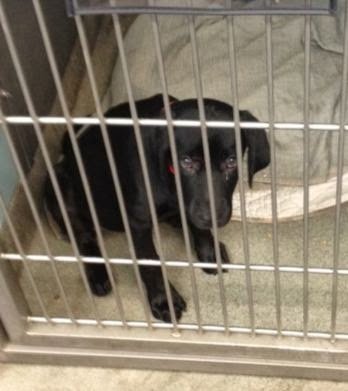
Well. I guess now we're in hour eight, which for me is like...hour five? Anyway, I was getting sleepy from sitting on the couch in my pajamas, so I got dressed and took a walk to the Anti-Cruelty Society to look at kitties and puppies. The weather today is overcast but warm, which is my FAVORITE, so none of that No Going Outside shit. Of course, by going outside, I did have to deal with this:

ahhhhhh!

Anyway. I am one giant chapter away from finishing The Goldfinch, which I have been reading on my phone out back of my apartment while wearing a hoodie I emergency-bought at an empty mall in Salem, Massachusetts. I love this damn hoodie.

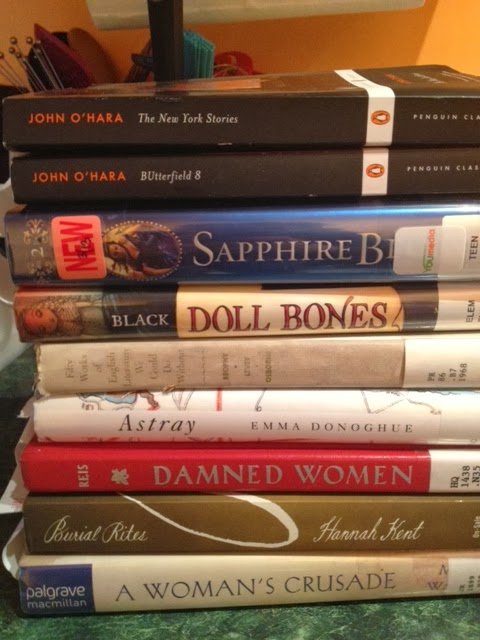
I'm also working on Doll Bones by Holly Black, which is legit way scarier than Night Film.


Regarding a doll kept in a glass case:

Apparently, one time, Poppy had woken in the middle of the night and found her sister—with whom she shared a room— sitting upright in bed. 'If she gets out of the case, she'll come for us,' her sister had said, blank-faced, before slumping back down on her pillow.

NO NO DOLLS COMING FOR PEOPLE.

I am cheering for you all from the comfort of my living room.

Tuesday, October 8, 2013

More Things I'm Reading Right Now

Right before the 24 hour readathon seems like a good time to stop and look at which books I've currently started and not finished yet (ah, so many). Fall seems to always kick into I Am Particularly Busy, Thank You mode, so I've read not very much? And I kind of have books I promised people I'd read and review in a timely fashion, so I am FAILING AT THAT, only not completely because I've half-heartedly brought them with me on the bus at various times and read like two pages before remembering I have Candy Crush on my phone.

I'm a reader, you guys

Burial Rites, Hannah Kent. Little, Brown was all "Hey, do you want to read a book about an Icelandic murderess?" and I said "Ahahahaha yes, why are you even asking." And I've started it, and while I wouldn't be all "Omg the WRITING, people," it's good. It's a good book. And. Y'know. Most of the books (read: all) I read take place in North America/England. So this is a branching out.

BUtterfield 8, John O'Hara. I love John O'Hara. He was supposed to kind of be an asshole in person, but I will read all his things. I've started this and already giggled in an obnoxiously gleeful way when I realized the direction it was taking. It was written in the 1930s and...look, John O'Hara is just great. The End.

Finnegans Wake, James Joyce. DO YOU KNOW HOW LONG I HATED JOYCE? And then Megs reviewed it yesterday and I had the unexpected reaction of really wanting to read it. So I got it from Open Books (best bookstore in Chicago) and it's pretty swell. Do you know what word he uses? "Hierarchitectitiptitoploftical." SAY IT OUT LOUD THAT IS THE POINT. If I could marry words, I would. (she said in a totally unpretentious way)

The Goldfinch, Donna Tartt. This is still great. The fact I didn't become hopelessly mired in the middle speaks volumes as to its greatness. Because it is a longass book, and I now have fewer than 200 pages to go. But still. Longass book.

50 Works of English Literature We Could Do Without. This is stellar in the snarkiest of ways, but it's not a read-straight-through sort of book, as it consists of 50 essays by three authors. I'll eventually do a post where I just quote a bunch of first lines, as those tend to be the best parts of the reviews.

The Maid's Version, Daniel Woodrell. I don't even know where this is, to be honest, but I'm sure if I gave it the ol' college try, I could find it in under 15 minutes. This is an EXTREMELY short novel about a fire at a dance hall, and it's written by the guy who wrote Winter's Bone, which I didn't know was a book but knew was a movie because JLaw's in it.

Lest we forget our muse

If I can finish TWO of the above by the end of Saturday, there shall be much rejoicing. In my apartment. With hummus. And tiny chocolate chip cookies.

Thursday, October 3, 2013

Yes, Frances Willard was as gay as Oscar Wilde. But in a lady-way.

Yup. We're gonna do it. We're gonna talk about Frances Willard and gayness. Look, it's not a major part of her life, and it's definitely not the main thing she should be remembered for, but the fact that a line is being put out that she was totally straight is complete hogwash and it upsets me.


The thing is, I get when people say it's anachronistic to put the cultural concept of "gayness" onto a person from a century other than the 20th/21st. I get that. And usually agree with it. But Frances Willard is one of the gayest people in history. I have zero problem labeling her with that. The fact that she didn't have the language to describe what she was experiencing is upsetting, but she managed to have a seemingly full and satisfying life anyway, so I am happy for her.


And for people annoyed when gay people say that someone from the past was gay, here's the thing: When you're completely whitewashed from history, it is a matter of TOTAL DELIGHT when you suddenly see clues that someone was like you. There's enough debate in contemporary society as to whether or not homosexuality is "okay" that you have to internalize at least some of it. No matter how much you embrace it, there can be the niggling thought of 'I mean...IS it ok?' And seeing people you respect come out, or seeing that it's just a way some people are and have been throughout history, it matters loads. Building a history matters. So yes, we're gonna quote some Frances Willard now from her journals around age 21, mostly concerning her best friend, Mary Bannister:


"I love women so curiously--I am sorry that I do."

"They say that is it like to change my Life--that Love of mine for Mary. Somehow it seems to have got me jostled from my relations--abnormalized me. It is at the bottom,--sometimes I half suspect, of all my griefs with Charlie [her fiance for the moment]."

"Tormented with the abnormal love & longing of a woman for a woman--one never so sweet & lovable as now. Open to ridicule from this, to censure from the other side. Not very good--not very near to God."

"It is strange & sad. But I do not talk about it. I am not morose or weak. I think & I am sorry--I pray--the very best that I know how."

"I looked at Mary B. and thought what beautiful eyes she had, and how intelligent she was."

"I said to myself 'Life has disappointed you. In the man you are to marry you find every ambition gratified,—but you do not feel for him any thing beyond the calm well wishing, the gratitude and friendliness your sister would feel if he had been equally thoughtful & obliging towards her. His kiss wakes no feeling in your heart more than those of your mere acquaintances, yet you are capable of more, for a kiss—a caress—a loving word from Mary will send the blood hurrying along your veins & give you that particular sensation, so delicious, so rare, that people call a 'thrill.'"

And when Kate, the woman she was "companioned" with, made her give up another woman:

"One kiss—one clinging grasp of her kind hand & I go away from what I would give more than I can tell to keep within my sight—to shelter in my arms."

And, of course:

"There are very few whom I could love—possibly none. Naturally I love women & sometimes I think, can feel no earnest, vigorous love toward their brethren!"

I want this out there. The WCTU absolutely denies it, and so the tour of her house can't mention it. Which is bullshit. Frances Willard was gay. All of her most important relationships in life were with women. The women she traveled with and lived with and loved and cried over helped shape her into the person who became the president of the WCTU and an ardent supporter of suffrage. So it's not an important part of her life, but it is.

There needs to be a part of the internet besides one Wiki Answers page that says Frances Willard was a lesbian, and that that's totally fine and it's just unfortunate she didn't have the language to realize what she was feeling, having to instead resort to words like "abnormal." Abnormal. Potentially confused and conflicted people out there -- you are not abnormal. There have been people like you since the dawn of humanity. And Frances Willard, a 19th century social activist, was one of them.