Thursday, February 27, 2014

The Time Tutor by Bee Ridgway. "I love the twelfth century," Dar whispered. "It's completely mad."

Remember when I reviewed The River of No Return and everything was sunshine and sparkling rainbows, because time travel + sexytimes? Well GUESS WHAT. This week a prequel came out in the form of a novella called The Time Tutor, and you can get it as an eBook for $3 (which is what I did).

It's shorter than you'll want it to be. Which is a good thing. I GUESS. So in the first book, Nick Davenant, who is THE DASHINGEST, is part of this Guild of time travelers, but then told "Oh no! The Guild is bad!" by a rebel group called the Ofan. What The Time Tutor does is talk about how the Ofan started to get their shit together back in the day and not just bounce around time.


There are more sexytimes. There is a party in the 1920s. Bee Ridgway again drops in random historical/literary references that she refuses to explain to you, thereby encouraging you to get off your ass and learn (de Underjordiske? the Hidden Children of Sweden? not even Wikipedia is that up on what they are). She also has delightful lines like "He couldn't tell how old she was, but it was some variation on young" and "She turned in a swirl of fabric, and exited the shop on a lightning-studded cloud of righteousness."


And LOOK AT THE COVER:


For those of you who've been holding out on River,  LOOK AT THAT
 COVER TOO IT IS SO PRETTY

I'm so on board with this series that I've become best friends with the skipper and developed a case of scurvy. LET THE SEQUEL BE RELEASED.

Wednesday, February 26, 2014

The Visionist is a rollicking good time filled with diligence and self-abasement

So I got really excited and ASKED Little, Brown if I could review The Visionist by Rachel Urquhart, because it is about SHAKERS.


Also because the cover is pretty

Before Netflix decided to be evil and take it away, they had a Ken Burns film from 1984 called The Shakers: Hands to Work, Hearts to God, which I watched MULTIPLE times because I have a mostly ignored, small part of me that thinks living in the 1800s and carding wool sounds like the height of living. These thoughts usually extend to me being courted by Seth, the blacksmith's son and preparing all season for the quilting bee, where my quilt will surely beat Clara Wilson's because it's not like she usually even sews she just has her family's maid do it and who does she think she is I'm going to win that ribbon this year or die trying.


Of course, this could always happen

The Shakers were pretty acceptable weirdos in a time in America when weirdos were cropping up all over. Transcendentalist utopian communities started in the 1820s, Mormonism was the 1820s, and my state's super-awesome cult town Bishop Hill was founded in the 1840s. Shakerism started in the 1740s in England and at least early on seemed akin to current day Pentecostalism: "the small community was soon known for its enthusiastic worship given to 'singing and dancing, shaking and shouting, speaking with new tongues and prophesying, with all those various gifts of the Holy Ghost known in the primitive church.'"

In the 1770s, "Mother Ann" (who basically became second to Jesus for Shakers) led her followers to New York, where they began setting up Shaker settlements. By 1840 they reached their maximum size, which was about 5,000 (The Visionist is set during this peak time). One of the main issues with obtaining new believers was, of course, that Shakers believe in celibacy.


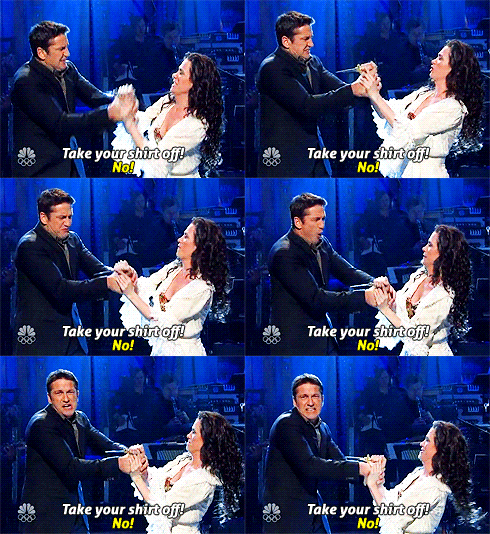
you stay strong, Gerard Butler

So they get new believers through conversion or adoption. The efficacy of this method means that there are currently three living Shakers. BUT, in The Visionist, our heroines come to the Shakers through these means. One was adopted as an infant (Charity), and the other comes to the community as a teenager (Polly). The story alternates between their points of view, as well as that of a fire inspector named Simon Pryor.

I'm all about alternating viewpoints in lit. It keeps you on your toes. With a single character narrating, it's so subjective; adding other characters not only limits the subjectivity due to the reader getting multiple versions of the truth, but also lets you see the narrator whose head you've been in from someone ELSE'S vantage point, which makes you feel a bit all-knowing.


Or like this

Charity has lived in the Shaker community all her life, while Polly escapes to it after a fire that she may or may not have started on purpose destroys her family's farm and POSSIBLY kills her father, who is a terrible person so it's pretty ok if he's dead. Polly keeps this secret, but is thrown into the limelight due to visions she has during worship. 

Ok, here's the thing. I don't care so much about the plot. What made me like this book was the detail it gave about life in an 1840s Shaker community. People were way into their quilts and brooms? Makes sense. Shakers saw every task they put themselves to as a way of worshiping God, so what they made, they made well. Men and women couldn't really talk because CARNALITY and so forth? Ok. Men had to put on cold, wet underwear before bed so they wouldn't be sinful while sleeping? All right then. 

I actually called the Enfield Shaker Museum in New Hampshire to verify the underwear thing, and they said they had never heard of that practice. So it's possible this was a theory put out by Urquhart. Or maybe she read it in an obscure text, because according to Shaker Textile Arts, "[p]eople's reluctance to discuss or even mention undergarments has hampered research into the brethren's clothing." I will say, though, that I also called the Mount Lebanon Shaker Museum, which referred me to the Hancock Shaker Village where Urquhart apparently did most of her research, and THERE I talked to their extremely nice curator, who told me that not only did Urquhart research the book for at least five years, but that she is also not the sort of person who would make up details like that.

SO. Current idea is that it has some basis in fact, and is either the obscure text thing mentioned above, or extrapolated from other similar communities' practices of the time.

Aside from having "Simple Gifts" stuck in my head the entire time I read this, I muchly enjoyed it. Really give me anything that's well-researched and set in the 1800s and I am done. LET ME SPY ON YOUR WEIRD PRACTICES, SHAKERS.


This is a perfectly normal painting; go about your business


More Shaker books!

Monday, February 24, 2014

Bleak House Week 4: Esther Esther Esther.

I can't focus on anything in this section but Esther's fever dreams and Lady Dedlock's revelation to her.

Esther suddenly falls ill with smallpox. In her feverish state, the things she's tried so hard to repress come forward: 


"While I was very ill, the way in which these divisions of time became confused with one another, distressed my mind exceedingly. At once a child, an elder girl, and the little woman I had been so happy as, I was not only oppressed by cares and difficulties adapted to each station, but by the great perplexity of endlessly trying to reconcile them."

Our awesome narrator has grown up without a mother — without even a mother FIGURE since Miss Barbary and Miss Rachael were such bucket trolls to her — and she instead becomes a mother to everyone around her. This confuses her actual role in life. She never allows herself to go through the adolescent phase -- she suddenly goes from being a child to an older adult (something also suffered by Charley, but she is "saved" by Mr. Jarndyce and Esther).

This situation of Esther's confusing role is not helped by all the people around her who are so eager to fit her into it, calling her Dame Durden and Old Woman. Esther gladly goes along with this and represses all her problems and issues with self-care by caring for others. When this repression is no longer possible due to her body's weakness, the true cataclysmic upheaval of her mind is made clear.

“Dare I hint at that worse time when, strung together somewhere in great black space, there was a flaming necklace, or ring, or starry circle of some kind, of which I was one of the beads! And when my only prayer was to be taken off from the rest, and when it was such inexplicable agony and misery to be a part of the dreadful thing?” 

She speaks also of a staircase in her dreams that she must keep climbing. While there can be multiple interpretations of these (as is the nature of dreams),  one is certainly that barely kept beneath the surface is Esther's constant thought that she should not have been born. It's been remarked that she comments more than seems usual about how loved she is — my opinion there is that she behaves no differently than all insecure people. They comment on how much everyone loves them/how good they are at something/etc because maybe they can make others believe it even if they can't.


The staircase and the flaming ring represent life. And Esther does not wish to take part in it. She is 20-years-old, and the stress of trying to be everything to everyone has taken its toll on her psyche.

All this leads to something that is so distressing for me as a reader. I've held Lady Dedlock as one of my favorite literary characters for so long, and reading Bleak House this time around, I'm finding myself just...frustrated by her. I'm hugely angry with her. I think her actions are near unconscionable, or at the least almost criminally thoughtless.

With “’O my child, my child, I am your wicked and unhappy mother!’”, Esther suddenly gains the mother she has lacked her whole life . She wants to be the child so much — she says it “frightened me to see her at MY feet.” She endeavours to pour out to her mother all of the emotion she has felt for her throughout the years; now, perhaps, she can shed the caretaker role she has used to repress and hide things for so long.

But no. Why should that happen. The moment Esther promises to forgive her mother all and stand by her and love her no matter what, she is rejected. Lady Dedlock maybe means well, but by telling Esther of her existence and then denying her the right to acknowledge their connection or even to see her again, she inflicts much more harm on her daughter’s psyche than good. 


Yeah, you, Dedlock

After telling her of her fears concerning Mr. Tulkinghorn, she leaves and Esther — not yet fully recovered — must not only resume her former position, but now carry her mother’s burden along with that. Rather than Lady Dedlock helping to alleviate her daughter’s pain and psychological stress, she increases it a hundredfold. As Esther walks back with Charley following the encounter, she makes herself think “of every sacred obligation that there was upon me to be careful and collected....I felt as if I knew it would have been better and happier for many people, if indeed I had never breathed."


 Let's also look at the fact that the very very first thing Esther feels when Lady Dedlock reveals herself to be her mother is "a burst of gratitude to the providence of God that I was so changed as that I never could disgrace her by any trace of likeness."

This is a DAMAGED GIRL. It's so easy to overlook that and just see sweet "Oh, you play that quadrille splendidly, Caddy" Esther. Dickens has created a complex heroine who is hugely damaged, and no one in the book quite seems to realize how much. They're carrying on like it's a normal Dickensian novel while Esther comes close to having a psychological breakdown.

Lady Dedlock's reveal to and then immediate abandonment of her daughter is far worse than if Esther had continued to think she was dead. That scene infuriates me now, where before it instilled me with pity for Lady Dedlock. No one can help you? Try trusting people. You wanted to see your daughter after she was sick? Be less selfish and keep yourself out of her life.

Esther has no mother. Esther has no prospect of a mother. All I want is for someone to take the burden off her shoulders, and tell her she is loved for herself — not for what she does, or the role she takes.

Wednesday, February 19, 2014

"Old Mr. Flood" by Joseph Mitchell is what we call a lost piece of kickassery

If you wander the shelves of your library, you're gonna come across a lot of junk, because libraries rarely ACTUALLY discriminate. Their main job is to provide books to the public, which includes books the public wants to read, and sometimes the public really wants junk. Their collection — especially if you frequent a GIANT library like Harold Washington in the Chicago Loop — is probably akin to a whale sweeping up plankton and whatever other detritus comes in the way of its mouth. There's just so MUCH and you don't know what you're going to get.

om nom nom nom

I was wandering the M's this week, in search of some Nancy Mitford, when I saw this shelf of mostly Probable Trash:


Along with that SLIM VOLUME in the middle there. "Hello," said I. "You're not like the rest."

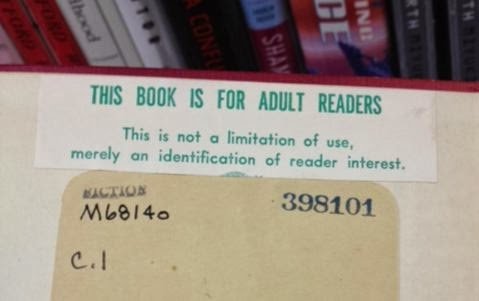
I couldn't even read the title on the spine, so I pulled it down, and immediately found this:

Oh lovely.

I tend to feel sorry for older books that might have lost readers, so I decided to give Old Mr. Flood by New Yorker writer Joseph Mitchell (published 1948) a chance. And it was instantly wonderful.

It consists of three stories, all originally published in The New Yorker, about the narrator's 90-something-year-old friend, Mr. Flood, who is determined to live to 115 and prove the efficacy of a solely-seafood diet. Mr. Flood lives right by the Brooklyn Bridge in Lower Manhattan, next to the docks and the Fulton Fish Market. He drinks whiskey, lives in a building with a lot of other old men who drink whiskey, and gets really excited about clams.

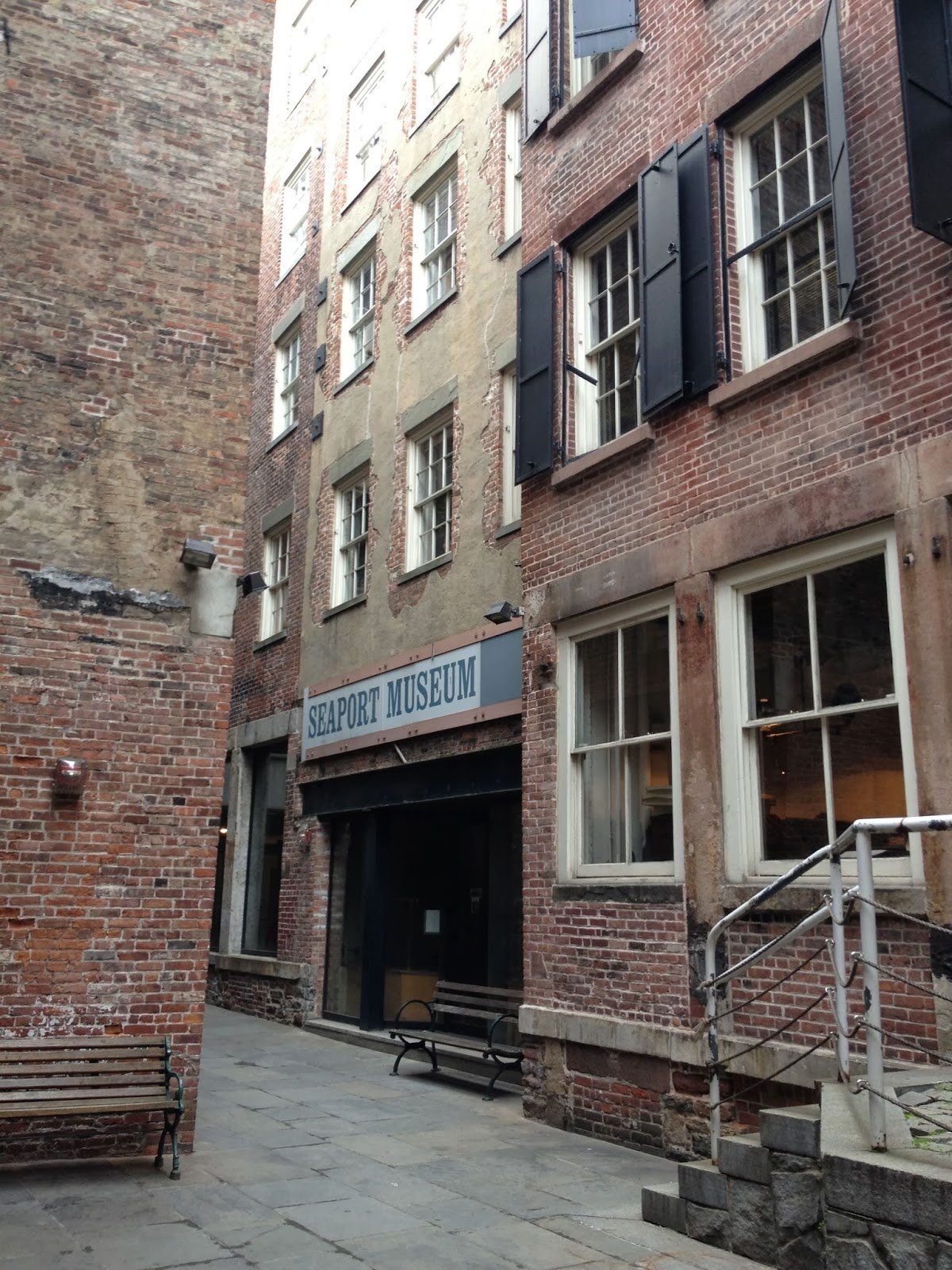
I wandered pretty aimlessly around New York once, and came upon this area. Parts of it are preserved enough to retain what I assume was something of the feel back then.


Joseph Mitchell is a wonderful writer. I'm going to read all of his stories. A collection called Up in the Old Hotel has over a THOUSAND ratings on Goodreads, which means everyone else knows who he is and I've just been living in ignorance.

Detail is what makes it for me a lot of the time in stories or novels, and it's a big reason why Auntie Mame is my favorite book. I also love descriptions of food, because FOOD, amirite? And this book made me want to eat oysters like nobody's business. Mr. Flood's advice to a man who thinks he's going to die soon:

"Ask the man for half a lemon, poke it a time or two to free the juice, and squeeze it over the oysters. And the first one he knifes, pick it up and smell it, the way you'd smell a rose, or a shot of brandy. That briny, seaweedy fragrance will clear your head; it'll make your blood run faster. And don't eat six; take your time and eat a dozen, eat two dozen, eat three dozen, eat four dozen. And then tip the man a quarter and buy yourself a fifty-cent cigar and put your hat on the side of your head and take a walk down to Bowling Green. Look at the sky! Isn't it blue? And look at the girls a tap-tap-tapping past on their pretty little feet! Aren't they just the finest girls you ever saw, the bounciest, the rumpiest, the laughingest? Aren't you ashamed of yourself for even thinking about spending good money on a damned doctor?"
On his retired policeman friend Mr. Cusack: 
He had a habit of remarking to bartenders that he didn't see any sense in mixing whiskey with water, since the whiskey was already wet.
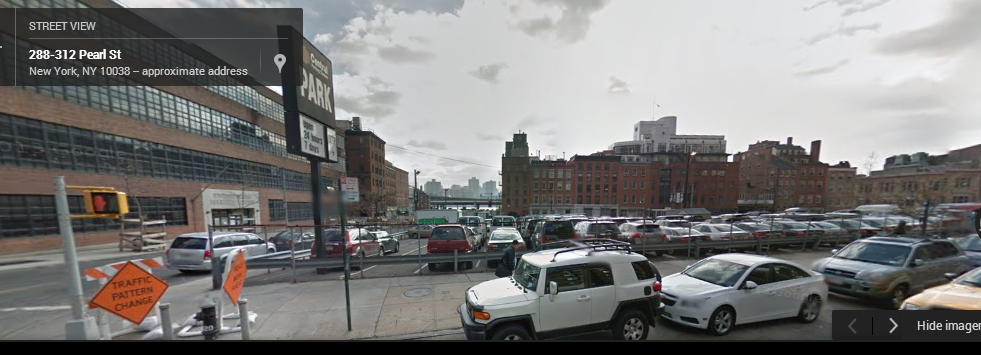
JOSEPH MITCHELL, you are awesome. And you make me sad that the location of Mr Flood's apartment now looks like this:

IT IS LITERALLY A PARKING LOT

But you kept it alive a little in your stories, and that is the greatest. Excuse me while I start venerating you.

Monday, February 17, 2014

Bleak House Week 3, Krook Goes to Pieces

SO MUCH HAPPENS ALL THE TIME IN THIS BOOK.

Points I would like to make:

- I like Mr Gridley muchly. And am sad about his end.

LET HIM GO BACK TO THREATENING LAWYERS

- I forgot how many people die in this book. There're just corpses strewn everywhere. (Nemo, Jenny's baby, Mr Gridley, Tom Jarndyce, Coavinses, Miss Barbary, Krook, SO FAR)

- Richard drives me up the wall, even though I super-relate to him and his cheerful attitude and bouncing around of interests.

Richard and Esther

- I want Mr George to just settle down and be happy. I will tell all my friends to patronize his shooting gallery.

- Mr and Mrs Bagnet have the only healthy marriage in the book. Discuss.

- Sir Leicester is really wonderful in his own way, and it makes me so happy that while Dickens didn't like the upper classes and barely makes an attempt to write about them beyond caricature, he makes Sir Leicester something of a complex human being. A complex human being who very, very much loves his wife.

-Also:

Young man of the name of Guppy! There have been times, when ladies lived in strongholds and had unscrupulous attendants within call, when that poor life of yours would not have been worth a minute's purchase, with those beautiful eyes looking at you as they look at this moment.

THIS WAS MY AOL INSTANT MESSENGER STATUS FOR LIKE A YEAR IN COLLEGE. It's basically my favorite Bleak House quote, aside from everything Mr Boythorn says.

Dickens and class, though, is worth talking about. The aristocracy is mouldering away in his book. Frozen in time, while the rest of the world buzzes around it. Dickens couldn't write a lot about the aristocracy because he didn't KNOW a lot about it. Upward mobility and the chance to make something of oneself was so important to him in his life - there's no way this book wasn't going to reflect that in some way when dealing with so many disparate classes. Which is somewhat related to the Bagnets, only why them? Why not the Jellybys or the Pardiggles or the Chadbands or even the late Mrs. Turveydrop and her husband? What about the Bagnets made Dickens drop his constant mockery and decide here would be his shining example of domestic happiness?

Lady Dedlock is Esther's mother. Krook exploded. Guppy's up to something still. Will someone please love Jo. And Gridley:


Friday, February 14, 2014

Kindle Books What I Am Looking Forward to Reading Someday

Do you know how easy it is to buy a book for Kindle? "CLICK." Done. And sometimes they are so cheap!...so cheap.

I no longer own a Kindle, as my brain for some reason rejects eReaders as a viable way to read, BUT it's totally fine with using the Kindle app on my computer or phone, so...I still buy Kindle books. Over the past four or so years, I've accumulated a number of them, many of which have remained unread, because after you buy it, it HIDES in your app, among the dozen of library eBooks you've checked out and never finished and don't want to delete, because then it says removing it from your device will delete ALL notes and marks and what if you highlighted something really important!


That being said, here're some eBooks I have that I have not read yet but REALLY WANT TO (someday):


The Song of Achilles, Madeline Miller. DOES ANYONE REMEMBER, way back in 2012 when I was like "Omgggg Song of Achilles is so super way amazing"? Yeah, so, I never really read any further. And I totes want to. Because this book is CLEARLY great. I'm mad at myself right now for living on this planet and not having finished it.


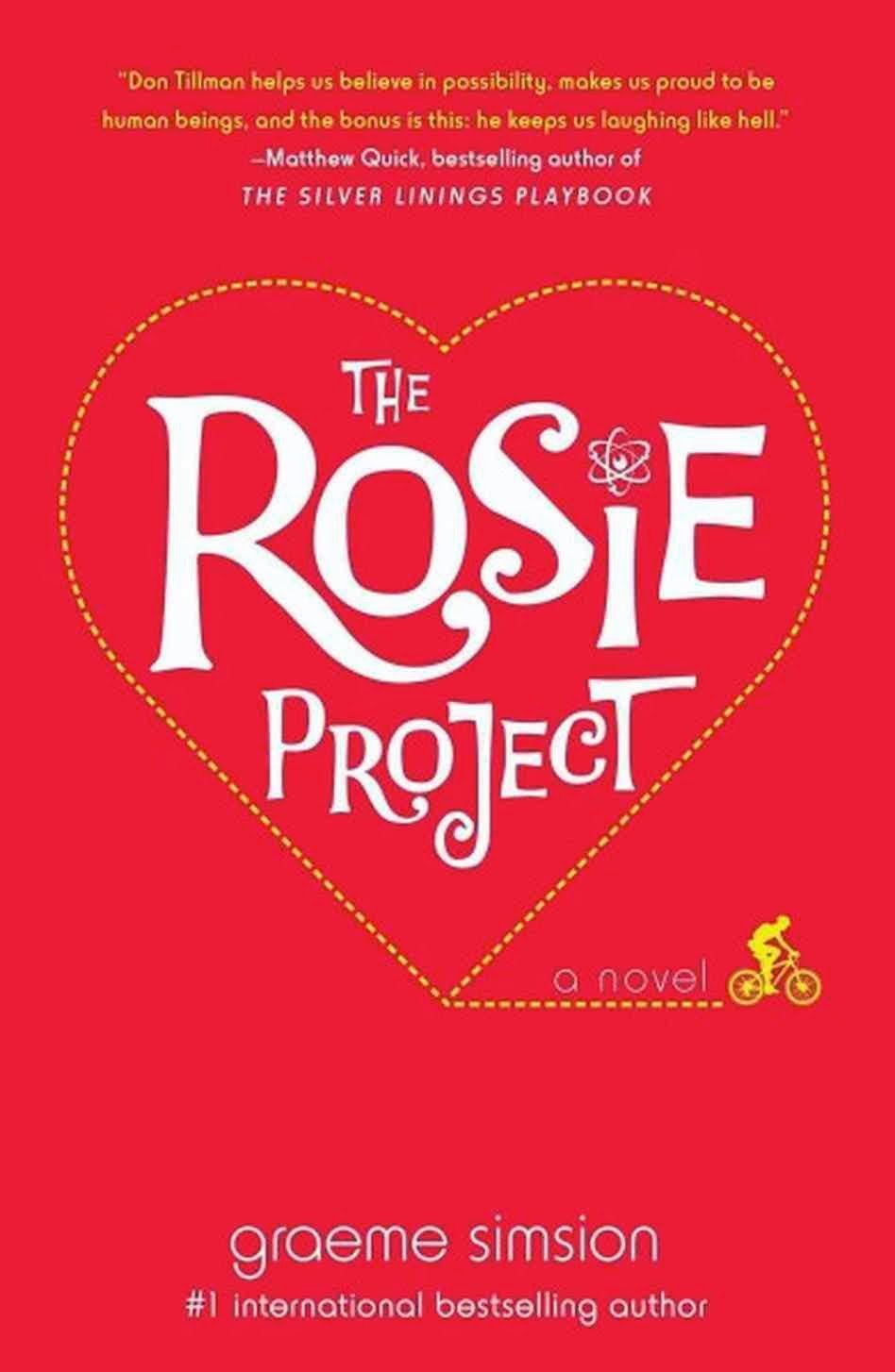
The Rosie Project, Graeme Simsion. Everyone seems to love this. And I bought it because it was super-cheap. But I have not yet read it. As is the rule with book bloggers, once three of us like a book, we're all basically ordered to read it. So I know I shall get to it, and that I'll like it. Just not there yet, because BLEAK HOUSE and Mr. Bucket is doing important things.

Lie Down in Darkness, William Styron. I want to say William Styron is one of my favorite writers, but I've ONLY read Sophie's Choice, so I don't think I can say that. His books seem to be on Kindle-sale a LOT, though, so I've bought this and The Confessions of Nat Turner, which is alluded to in Sophie's Choice. HE IS SO GOOD WITH WORDS. He uses too many of them and it is the best. More William Styron. All the William Styron.


Cro-Magnon: How the Ice Age Gave Birth to the First Modern Human, Brian Fagan. I AM SO INTERESTED IN EARLY MAN. This book has some information that's already been disproved, but it's still got more possibly correct information than I contain in my brain. For I am not an anthropologist. RENDER UP YOUR SECRETS TO ME, BOOK.

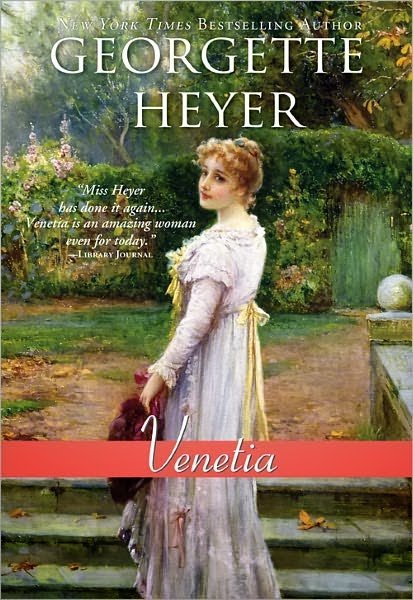
Venetia, Georgette Heyer. I am completely on board with not disliking Georgette Heyer. Please be good, O Book. Because Heyer set in the '20s or whenever was very not-that-enjoyable.


Kindle, Repository of Books I Keep Forgetting About, I will cease buying books for you (maybe), that I might invest in the ones you already contain within your NEAR-BOTTOMLESS DEPTHS.

Thursday, February 13, 2014

"There's nothing more elegant in the prose universe than a short story, Officer Lambiase."

I finished The Storied Life of A. J. Fikry in about 24 hours. Which should tell you something about it. It's about a grumpy bookseller who runs the only bookshop on an island off the coast of New England. His wife has died (HI TROPE, but I am ok with you) and one day he finds a two-year-old girl abandoned in his store. Then the rest of the book happens.

I got this ARC from NetGalley (it comes out April 1st), and when I saw the average rating, I was flummoxed. 4.49? Out of 178 reviews? That's...quite good. But as I read it, that rating made more and more sense.


It's a good, very readable book. I'd recommend it to most people as a "This will make you feel nice and maybe cry a little" book. I certainly teared up at lines like "It matters who placed A Wrinkle in Time in your twelve-year-old daughter's nail-bitten fingers," and I thoroughly enjoyed the reading experience.

The CAVEATS are mainly that:

1) It teeters between being made of solid writing and cliché/easily digestible quotes. Sometimes you feel like the author was sitting there thinking 'Awwww yeah, people're gonna Kindle-highlight this shit."

2) I super-feel like she can't write children, but that could be me being bad at knowing how children act. But I feel like it's not this:

"Oh ho ho, that is a very interesting observation, little girl," Leon Friedman replies. 
"I make many of them."


3) This is a book written for book people. So it's very "AREN'T THE BEST PEOPLE IN THE WORLD BOOK PEOPLE" and you're like "YES YES THEY ARE 5 STARS." I'm kind of assuming at least part of its very high rating is that all the ratings are from people who got ARCs and therefore like reading and therefore like books about people who like reading.

...yes.

BUT, those minor things aside, it's really good. And fun. And runnnnnns the emotional gamut. Also, who doesn't like a book that takes place in a bookstore?

No one.

Monday, February 10, 2014

Bleak House Week 2: There are chords in the human mind...

Ah, second week! Where we added to the exposition with more exposition, but also some things happened! Some of you are getting more invested, and also discovering the payoff of sticking with Dickens, because after you meet the first 50 characters, later you hear about one of them in a sideways sort of way and go "Oh! oh!!" and it's all very exciting.

So exciting

So Esther as a revision of Jane Eyre has been mentioned. And why not. It was published in 1847, Bleak House was published in 1852-3. The heroines have remarkably similar backgrounds. Sure, Dickens said he'd never read Jane Eyre, but I think we all know rule 1 is


In Lisa Jadwin's "'Caricatured, not faithfully rendered': Bleak House as a Revision of Jane Eyre," she says that between 1849 and 1853 "Dickens devoted considerable space in Household Words and in his letters to putting feminists in their domestic place."

I'm willing to grant that Dickens wrote Esther as a sort of answer to Jane Eyre, but I refuse to call her "his most notorious aesthetic failure."

Jadwin goes on something of a crusade against Dickens and also says that "Dickens recasts Brontë's opening chapters to demonstrate that what Jane perceives as abuse is simply benign and appropriate female conditioning."


Really? Really, Ms Jadwin? You think that Dickens was totally pro-Esther being told she was worthless and should never have been born? YEAH I COULD TOTALLY BUY THAT.

Esther and Jane take different paths, and yes, Jane's is more what can nowadays be termed 'feminist,' but Esther takes her psychological damage and, you know what, doesn't focus it all on a man. BOOM.

Now that THAT'S out of the way, let's discuss how much we love everyone. JO. Jo, Mr Snagsby is so kind to you for no reason other than being kind. And you cared about Nemo. And Mr Turveydrop and Harold Skimpole are so selfish and terrible. And CHARLEY. Oh Charley. And what's up with the passionate Hortense and why is England's relationship with France always hilarious and involve bare feet?

And have we noticed how Dickens is all 'THE ARISTOCRACY IS MOULDERING AND DECAYING' because rain + gout? But Sir Leicester and Lady Dedlock are for reals my favorite and he loves her so much and agghhh. I have many feelings on this score.

so cute

Also Dickens is hilarious and I feel like we forget that sometimes, aside from his amazing naming ability.
"Can we fly, my friends? We cannot. Why can we not fly, my friends?"
Mr. Snagsby, presuming on the success of his last point, ventures to observe in a cheerful and rather knowing tone, "No wings." But is immediately frowned down by Mrs. Snagsby.

We have met Miss Flite. We have met the Man from Shropshire (Gridley). We seem to have met most people connected with Chancery, and all through Esther. It's rather amazing how she keeps running into people she's connected with. WHAT IS KROOK UP TO. And how do we feel about Jobling? And what's going on with Richard? And does anyone else want a crusty twist, because I certainly do.

NEXT WEEK. Through chapter 32. Be there or be square, etc etc.


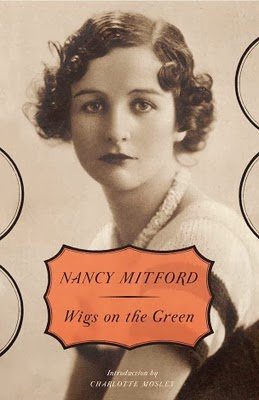
Wigs on the Green: Where Nazism Is All Fun and Games


Nancy Mitford's Wigs on the Green was JUST republished in 2010 after being out of print for 35 years. Out of print despite the semi-enduring popularity of Mitford's novels. Why? Because it's pretty soft on Nazis. Oops.

That's how we deal with it, Nancy

The introduction to the reprint says "When Nancy's published begged her to be allowed to reissue the novel in 1951, she refused. 'Too much has happened for jokes about Nazis to be regarded as funny or as anything but the worst of taste,' she wrote to Evelyn Waugh, 'so that is out.'"


The word "Nazi" is such a thing of its own now, it took me learning some German to find out they were National Socialists, with National being pronounced "Nahtzional." And to be honest, I'm still pretty much 'looks at you uncomprehendingly' when people talk about fascism/socialism/otherism. I know fascism is strict rules and a dictator, but socialism...is too?


ANYWAY. The reason this was all sticky for Nancy Mitford is that TWO of her upperclass British sisters were huge fans of Hitler. To the point that one moved to Germany because of him and was photographed with him.


Ahhhh!
Ahhhhhhhhhhhhhhhh!

And it's super-awkward, because Nancy Mitford seemed kind of like "eh" about it all. Granted this is with EXTREMELY LITTLE RESEARCH, so maybe she was a super-Nazi-hater, but with her family and her later reaction, I think she was more sorta like "I meeean, I get what the Nazis were going for, but I think they are silly." And it's weird, because this book is actually delightful. And she's basically making fun of Fascism, but is also trying to not have her sisters hate her, so she's like "Ha, it's not so bad!" One of her more cynical characters says:

"I prefer national Socialism to the other sort, it is so much more romantic. Besides, I am inclined to think that the Western civilization we know needs putting out of its agony as soon as possible. It is old and tired, the dark ages are practically upon us anyhow, and I should prefer that they march in with trumpet and flag than that they should creep upon us to the tap of the typewriter."

So there's a young man (think of Jack in The Importance of Being Earnest) who inherits some money and decides to marry an heiress so he will have MORE money and no longer have to work in his drudge of a job. He runs into his friend (think Algernon) who's all "Hey, there're some heiresses in this one little town," but then Algernon decides to go WITH Jack, and Jack is obviously not wanting this, because he is a stick in the mud, but together they go and they run into an heiress obsessed with Fascism and an heiress on the run from her wedding, and crazy Fascist-inspired shenanigans ensue.

The part that sticks out the most in my mind is that Eugenia (slightly insane teenage heiress obsessed with Fascism) is so fervent about people joining "the Union Jack Movement," but she's a member of the British aristocracy, so there's this villager/peer-of-the-realm relationship which is delightful:

The yokels stood first on one foot and then on the other. Finally one of them removed a straw from this mouth and remarked that they had all enjoyed Miss Eugenia's speech very much, he was sure, and how was His Lordship's hay-fever?
I'm usually not on board with 1920s/'30s types of books. Lord Peter Wimsey forever, but I've tried time and time again to get on board with Wodehouse, and I can't. It's all very "Ha-hah!" and "Mrs. Miggins" and "Bungo came down last week-end for some doubles" and ahhhhhhhhhh. But I found myself throughly enjoying it when done through the lens of Miss Mitford. To mitigate the weird Nazi sympathy, she creates an insane asylum for the British aristocracy, called  Peersmont, which is built to resemble Parliament.

"Lord Rousham...is on the sick-list again-no, nothing at all serious I am glad to say. He has just nipped up to the top of a big elm tree and is building himself a nest there. We don't stop him nowadays, one is never supposed to stop them doing harmless things of that sort. He won't catch a chill in this warm weather and the others like to watch how the nest is getting along. Rather fun for them really."

It was decidedly an odd first Mitford, but her writing really is the most fun. I have vague plans of reading all her books now. MORE MITFORD.

Hopefully with fewer Nazi sympathizers

Thursday, February 6, 2014

January was IN-sane for books, man

I rocked January, you guys. I don't mean to brag, except I TOTALLY DO.


Because the end of last year was so reading slumpy! And then I read ten books in January. TEN. And they weren't even YA books! 

I know that some people read ridiculous numbers of books all the time, but I usually average 3-6 a month, so this was WELL above my quota and I am so happy about it. Especially because I finished some books on my TBR challenge list, and that makes me happy because SHELF SPACE.

1. Feminist Theory: From Margin to Center, bell hooks. Totes already reviewed this. Essentially: Listen to everybody's opinion and don't be a dick. 

2. Rent Girl, Michelle Tea. OMG Michelle Tea. Why aren't we besties? I mean, sure, you'd probably find me annoying, but I want to sit at your feet and have you write things and then throw them down to me. Rent Girl takes the time when she was a prostitute and graphic...novel..izes it. It is QUITE good. 

3. The Invention of Wings, Sue Monk Kidd. Already reviewed it. Abolitionist ladies in South Carolina in 1810. Excellent book.

4. One Summer: America, 1927, Bill Bryson. BILL BRYSON I LIKE YOUR FACT BOOKS.

5. Behind the Candelabra, Scott Thorson. Liberace was gay and this guy dated him. Essentially.

6. Wigs on the Green, Nancy Mitford. This was my first Mitfooord. And I read about them and they're the weirdest family. As in two-of-the-sisters-were-Nazis weird. Nazis in the 1930s. Which was one of the worst times to be a Nazi. Retrospectively speaking. But this book was fairly awesome and I shall review it later.

7. What Was She Thinking? (Notes on a Scandal), Zoe Heller. I've owned this for forever and I finally read it and I have THINGS TO SAY (mostly about loneliness) but that is for later.

8. World War Z, Max Brooks. Hah. This was so good.

9. Annie on My Mind, Nancy Garden. I was actually surprised to find this gay YA lit (ok I read ONE YA book) from the 1980s to be really good and not stupid. Because I was totally expecting it to be stupid.

10. Astray, Emma Donoghue. Emma Donoghue is awesome. Especially at short stories. Which is what these are. HISTORICAL short stories, which I'm way more fond of than her modern day ones. As is almost always the case with her, each story is based on some random historical fact she found, usually while looking at a newspaper from 1901. Emma Donoghue is a history nerd, and I highly respect her for this.

The ONLY one of those I gave 5/5 to was World War Z, because hot damn, that book was good. Now I'm working on Bleak House (obvs), The Visionist (it's about Shakers! and there might be lesbians in it but I SWEAR I DID NOT KNOW), and KIND of Anne Perry and the Murder of the Century. That shit's messed up. 

me throughout the book

OH, and I checked out The Shining from the library, but then my voice teacher was like DON'T read it, because it's really dark and I am super-easily influenced by dark things. But I kind of want to because it's really famous and I like being culturally knowledgeable. AGH dilemmas.

Thursday's a pretty spiffy day. Just sayin'. LET US LEARN FROM ALICE FEY.

Monday, February 3, 2014

"I have not the slightest doubt that the scoundrel has passed his whole existence in misdirecting travelers" — Bleak House has begun


This book. THIS BOOK. Is what started me on Dickens. I hated him. HATED. And then when I was 18, my professor assigned it and Bleak House became one of my favorite books of all time, and its author the biggest love-hate relationship of my life.

Let the words of Joan Jett guide our hearts

Bleak House is a massive undertaking. Immediately before it, he published the fairly autobiographical and still widely read David Copperfield, but before THAT you had his road trip novels, none of which had much structure, and Martin Chuzzlewit and Dombey and Son, which could be excellent, but I haven't read them yet, so I don't know. Also no one talks about them, so, whatever.

Bleak House. This enormous mass of invective against Chancery, which, let's hope, contributed to the passing of the Common Law Procedure Act of 1854 (Bleak House was written 1852-3), which "eliminated many of the lengthy delays" associated with the Court of Chancery. This book is huge and complex and has a FASCINATING narrator you should all love. If you do not love Esther, I peer suspiciously at you.


As with any massive work of literature, there are more themes than can be touched on here, so I'm going to hit on the two I'm most interested in. NUMBER ONE: All the mothers in this book are shitty. Except one or two. Prof. Mary Armstrong called it the novel's "insistence upon the maternal figure as all-necessary yet inherently destructive."


Esther grows up desperately wanting a mother, but not even letting herself really admit that, because she also doesn't believe she is worthy of one. Because Esther had a ridiculously terrible childhood. A ridiculously terrible childhood that Dickens KNOWS would scar her. If you think Esther has no issues and is this just perfect ideal of annoying Victorian womanhood, LOOK at her. Remember when she freaked out as a child and clung to her aunt's skirts while saying "What did I do to her? How did I lose her? Why am I so different from other children, and why is it my fault"?


How is this answered? Other than by shaking her off? "Submission, self-denial, diligent work." And that's...all she then does. We're going to see more of her psyche break out in the future, but just watch for whenever she does things despite herself. Because that's the only way her true self comes out. Whenever it's "I hardly knew what I did" or "I couldn't help it," THAT'S Esther.


So all the mothers are terrible, and Esther doesn't even have one, so she mothers herself ("Dear, dear, you tiresome little creature, I wish you wouldn't!") and everyone around her. How is this going to play out in the long run? Well, we'll see.


Now we have to touch on...because you've all been tweeting at me about it...Esther and Ada.


When I was doing All the Research on Rosa/Helena from The Mystery of Edwin Drood, I cannot TELL YOU how annoyed I was that pretty much the only Dickensian lesbian subtext people consistently wrote about was in Little Dorrit, or between Esther and Ada in Bleak House.


There's way more to discuss later in the book, but for now let's touch on what Mary Armstrong said (...in her thesis that I had Duke University send me):


Esther's homoerotic desire — indeed, her narrative itself — is always subsumed under the involuntary and unintentional. Just as she protests she doesn't pretend to know, or doesn't mean to complain, or doesn't intend to criticize, she never 'means' the outbursts of ardor and physical impulses towards Ada.

Maybe just watch for that for now. And also maybe the constant digressions on how beautiful Ada is — Armstrong points out that Ada is "primarily an object of desire," her beauty is "[her] singular defining characteristic" and, awesomely, that she does not "labor under any appreciable amount of personality." Heh.

I haven't talked about Lady Dedlock, who was my favorite character for aaaaages and maybe still is. Or Mrs Jellyby, who, I'm telling you, STICKS WITH YOU. You'll be thinking of Mrs Jellyby ten years from now. Or Mr Guppy, whose main role in the book is to suck.

So many mysteries! So many more characters to encounter! Prepare to get overly attached.


Retreating and BleakAlonging

THE WOMEN'S RETREAT HAPPENED. And I was there. With Minnesota Girlfriend. And then we drove home to Chicago and ate Thai food and watched Doctor Who.

was pretty great

We learned about the Enneagram, and if you haven't done it and you don't know your number, I don't even know what you're doing with your life, because it's like Myers-Briggs, but way better because it doesn't involve a bunch of letters I have to remember.

If these words ring true to you, you might be a Fiiive

Also MG and I went for a walk on Saturday after it'd snowed (this was in Wisconsin, and they mayyybe get more snow than we do), and we saw Lake Michigan and it looked like an alien planet.


Ooooooh

And then we took a selfie because WE LIVE IN A MODERN AGE OF WONDERMENT.


Anyway. The women's retreat is the greatest of retreats. And also -- BLEAK HOUSE STARTS TOMORROW HOW FAR ARE YOU YOU NEED TO READ THROUGH CHAPTER ELEVEN. ELEVENNNN. I am on like chapter five myself. But I was WOMEN'S RETREATING, so there was no reading.

From what some of you have mentioned, you have Certain Things to Say about Ms. Summerson, which I am most delighted to hear, as ACADEMICS DO AS WELL, so rest assured it is not just you. I will address this in my hopefully-not-scattered post. Ah, the excitement of the #BleakAlong (hashtag contributed by our ever-awesome Tika). READ ON.