Wednesday, September 30, 2015

Monkalong Part I: I lust for the enjoyment of your person

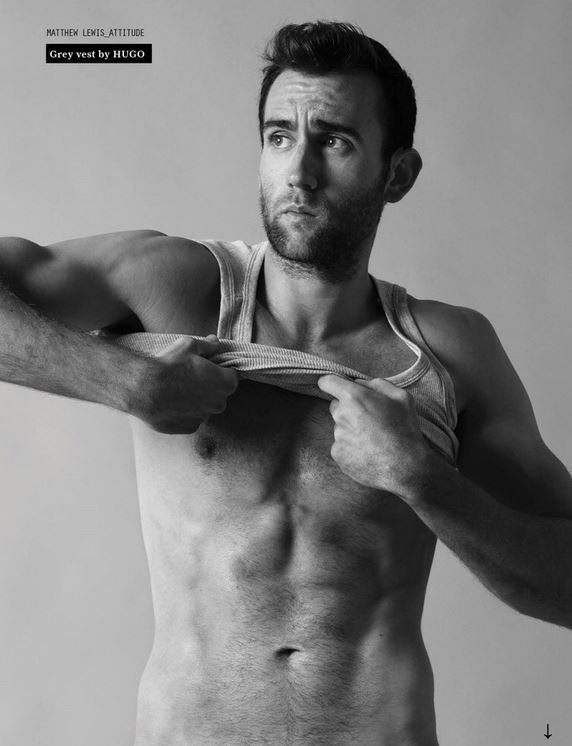
Who the hell is Matthew Lewis?


No no, not him.

...oh.
The author of The Monk (1796) wrote this ridiculous, ridiculous book when he was 19. He also became a member of Parliament the year it came out. He obviously just took the Gothic movement and ran with it, and he wrote a number of other Gothic works (mostly plays) before dying of yellow fever at age 42.

The Monk is THE BEST AND WORST and we're reading it because it makes no sense and has demon nuns and should be read. This week was chapters 1 and 2 where the following occurred:

It's somewhere in Spain and there's a famous friar about to speak at a church, so no one can get a seat, INCLUDING an old (read 50 year old) woman and her veiled young beautiful niece, but two knights see the niece's neck and're like "hey, there's probably some nice stuff under there" and give up their seats just in case. There's some introducing, some awkward and pretty aggro flirting, and the knights find out she's there to ask a Marquis to keep paying for her to live in a castle. So say we all.

This Marquis is having some secret liaison with a nun named Agnes (rename in next draft, Agnes is not a good sexytimes name), but Famous Friar finds out and sentences her to....something harsh. They don't detail what. Then she curses him to learn what human frailty is and THAT IMMEDIATELY HAPPENS.


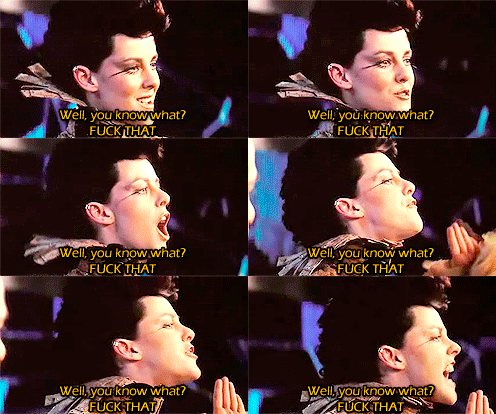
Because there's a young man in the monastery who keeps like a towel wrapped around his head as far as I can guess, and he's super-into Famous Friar, but then it's revealed ohhhh shit, he's a lady. An apparently innocent but PROBABLY DEVIOUS AND MAYBE SATANIC lady. Famous Friar tries to resist her for like two seconds, but she's ridic hot, so instead it turns into:


There's a lot of bosoms happening here. Not that I'm complaining. But the 18th century knew what it liked and what it liked was apparently ladyboobs.

The section stopped at them making out. With boobs obvs mentioned, because this is Matthew Lewis, and I think we should all just get used to seeing them because there's a lot left of the book.

[T]he Altar sank down, and in its place appeared an abyss vomiting forth clouds of flame. Uttering a loud and terrible cry the Monster plunged into the Gulph, and in his fall attempted to drag Antonia with him.

You guys, but have you actually been PICTURING this book?

I'm pretty sure The Monk is gonna be the best October read ever, and I hope there're ghosts and vampires and stuff. WE SHALL SEE.


Monday, September 28, 2015

Monkalong Reminder

THE MONK IS COMING. This Thursday, to be precise. If you're participating in the readalong and feel like being in on the first post (we really don't care when you start linking up your posts, tbh), then read chapters 1-2.


The signup post, which also has the schedule, is in my sidebar. COME READ THIS 1796 NOVEL WITH US. It's bonkers.


Thursday, September 24, 2015

Classic Female Authors On Their Best Hair Day

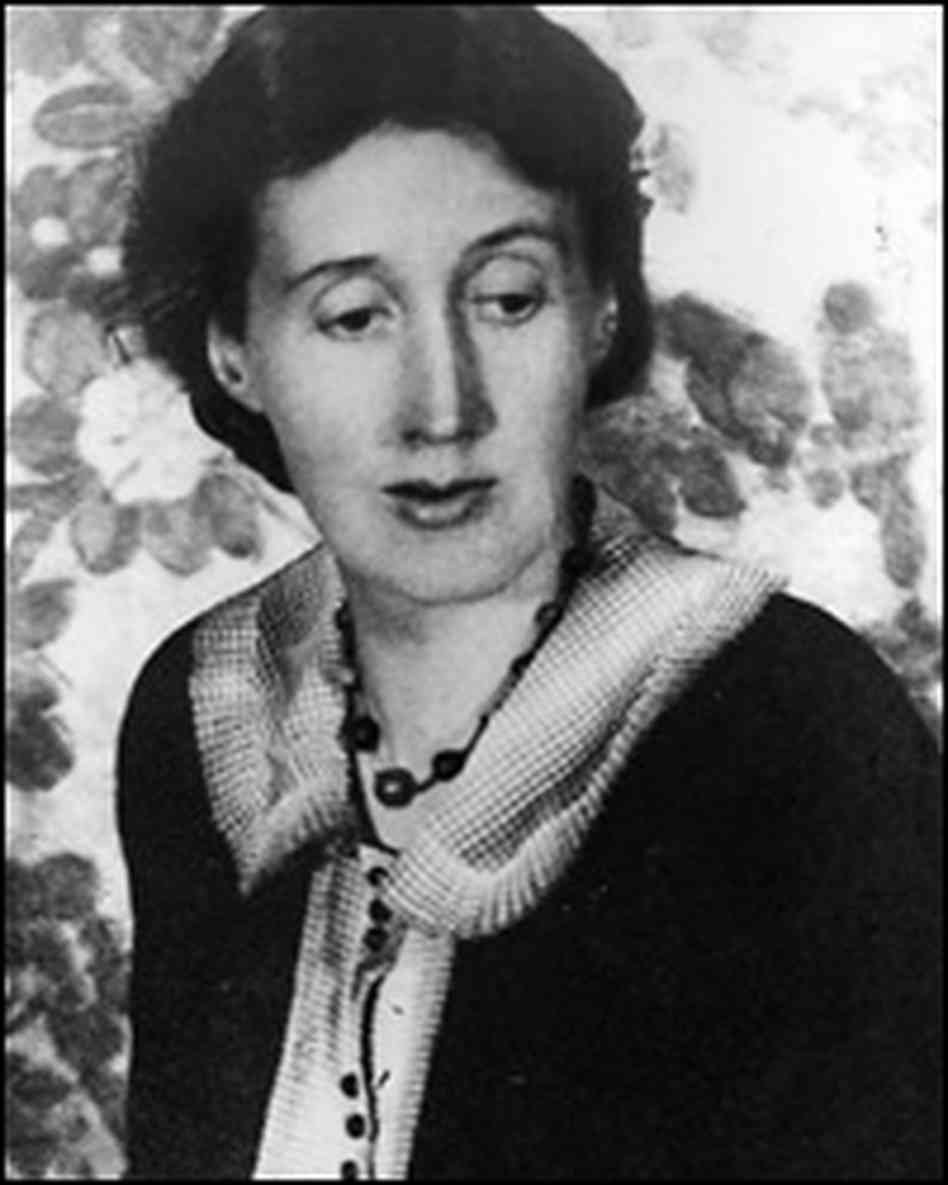
1. Virginia Woolf


I'm pretty sure Virginia Woolf's hair never actually touched her neck. This is the best of the "I think I'll pin it back today" days that she had approximately every day of her life.

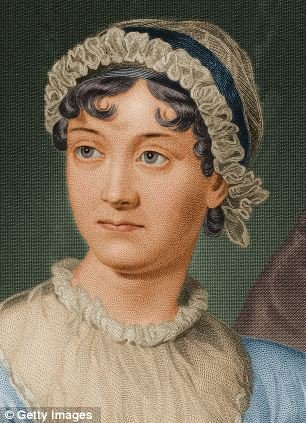
2. Jane Austen


Um, we never see anything but the front 10% of Jane Austen's hair. (Jane Austen replies that it's not like she lived in a whorehouse but this is my post, not hers, so no more of that) Despite the overall cover-up, she curled the front excellently and I don't know how, unless she used those fabric scraps that ladies do in movies. If I tried that with my curling iron THAT close to my forehead, I'd have bright red marks all up in there.

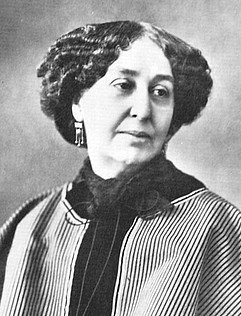
3. George Sand


George Sand looked fabulous 24/7 and I shouldn't have to choose her best day. But we're going with this photo from her later years, because HOW do you even get your hair to do that. That is amazing, and so is George Sand.

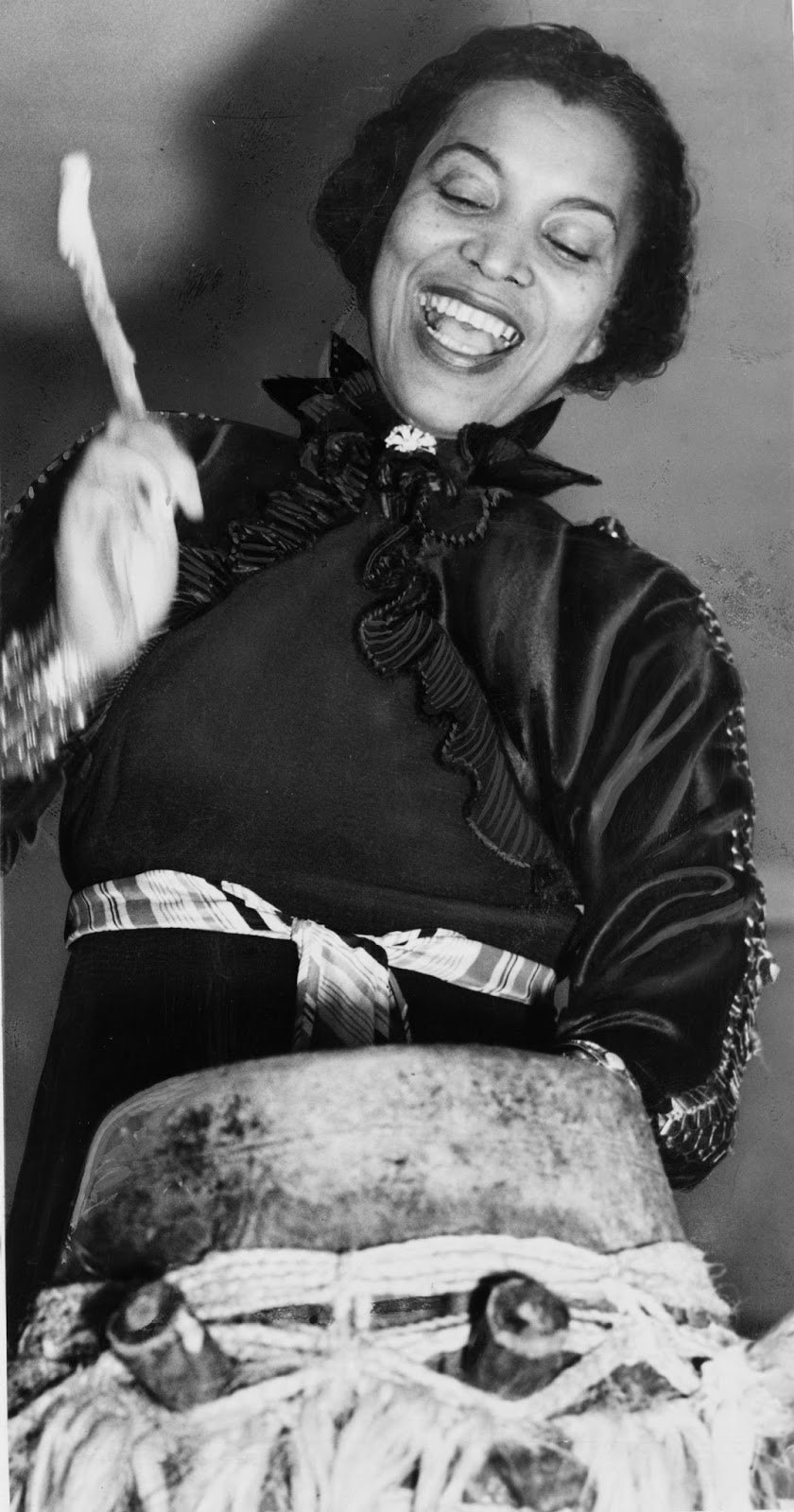
4. Zora Neale Hurston


If photos are a good indicator, Zora Neale Hurston wore a hat for 98% of her life (it was the '30s and that's what LADIES did). Here's her doing something. I think she's hitting a drum. And her hair and makeup are on. point.


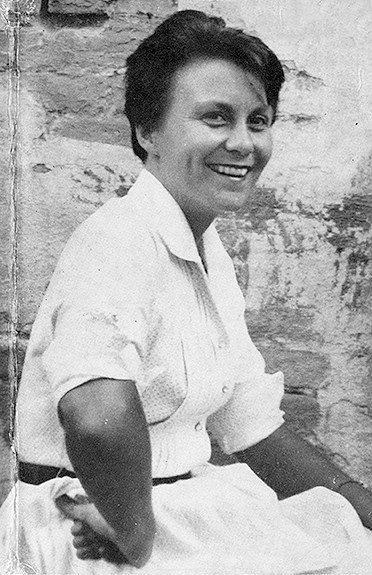
5. Harper Lee


I'm pretty sure a big reason for Harper Lee's reclusiveness was to avoid things like people analyzing her best hair day, but you cannot hide from the press, ma'am. Also I love this photo; she looks genuinely happy. If I could jump into any photo with any author, it'd be this one. And then we'd hang out with Truman Capote and talk about how Atticus is the best. But look at her HAIR and how nicely it's falling over to the left -- fantastic job, Ms Lee.

Wednesday, September 23, 2015

Classic Male Authors On Their Best Hair Day

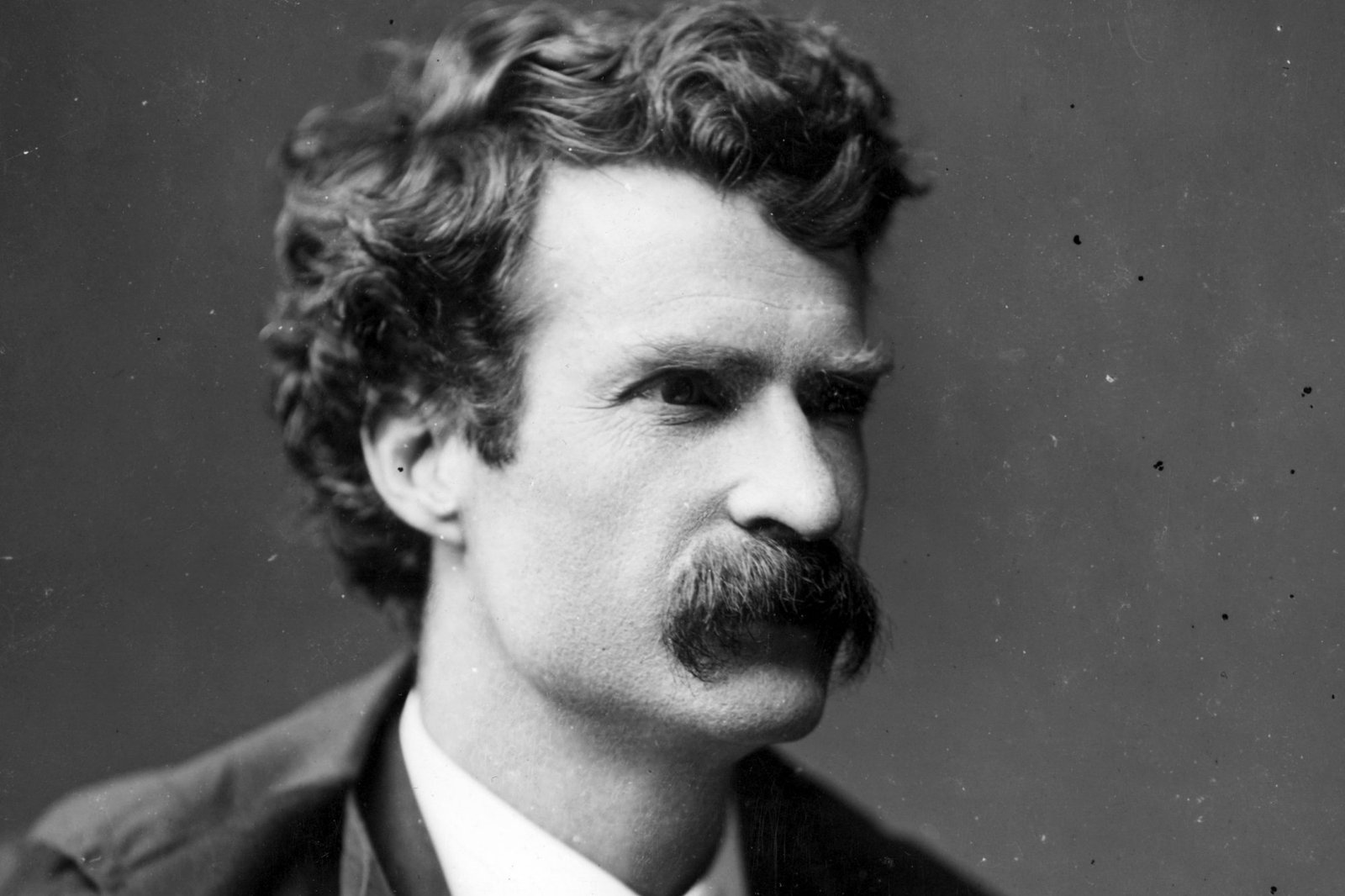
1. Mark Twain


Look at that. Look at those curly locks. Sure, his later white hair was iconic, but aside from that moustache, dude was looking good back in the day.

2. Nathaniel Hawthorne


Nathaniel Hawthorne never had a good hair day. Look up photos.


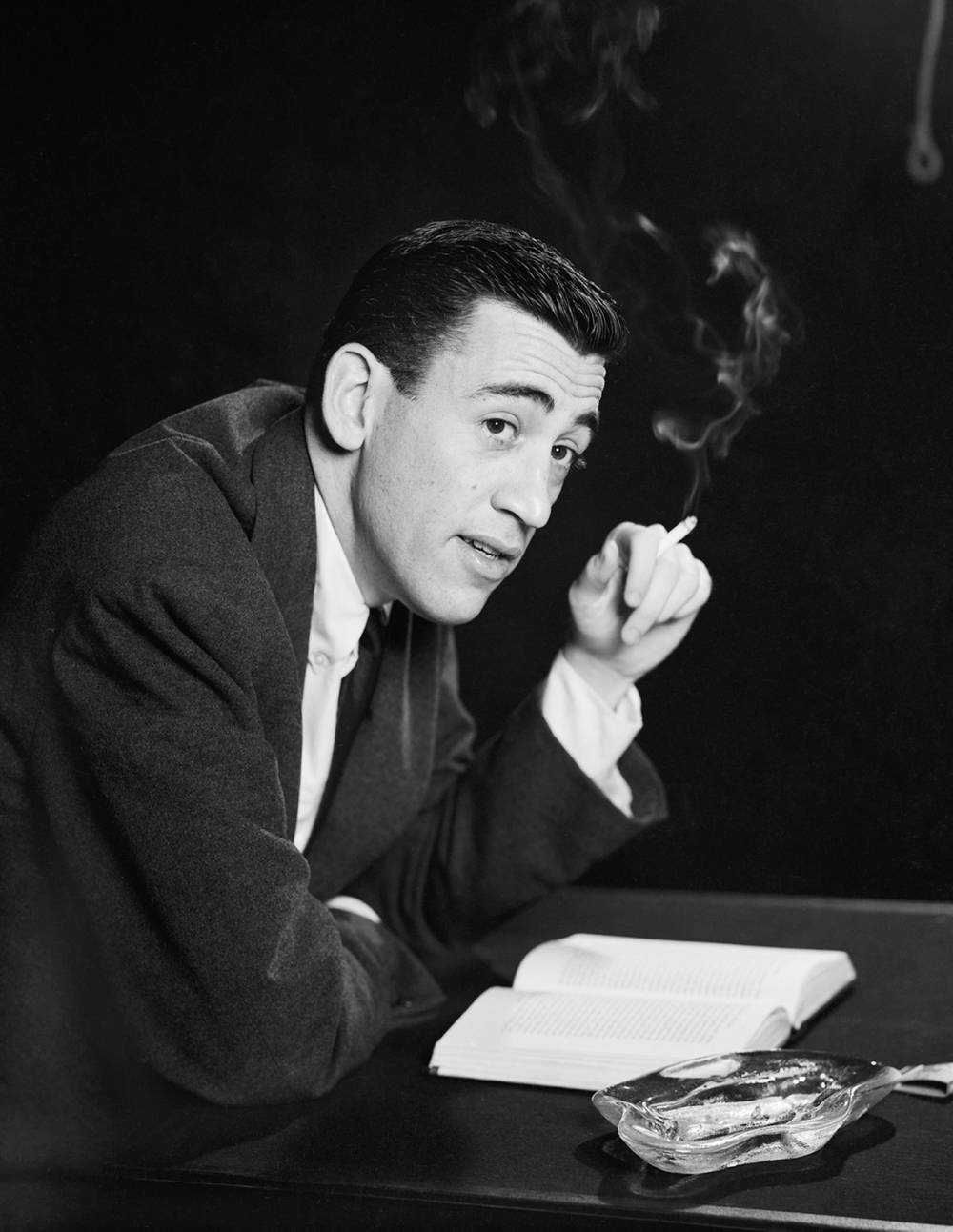
3. J.D. Salinger


Salinger's hair was slicked back 200% of the time. This is his most Rat Pack-like photo, though, and those guys were a pretty hip bunch.


4. Wilkie Collins


A lot of Wilkie Collins's photos have him looking like you just suggested bowling as a fun afternoon activity. Wilkie never had a lot of hair up top, but he did have one important thing:


5. John Steinbeck 


Steinbeck has the worst hair of any of these guys, including Hawthorne. He poofs it up on top for his entire life like some girl at prom told him it looked good that way and he never looked back. She was lying, John. She just wanted to get out of the conversation.

Monday, September 21, 2015

Douchey Little Vampire Kids

If, however, you like dressing in black 'cause it's "fun," enjoy putting sparkles on your cheeks and following the occult while avoiding things that are bad for your health, then you are most likely a douchebag vampire wannabe boner.

You know what I kind of like? Interview With the Vampire. Before the Twilight craze hit in the late aughts, vampires had something of a resurgence in popularity around 1994, which was when I was nine.

Vampire movies that came out in the '90s:

Bram Stoker's Dracula (this movie is shitty)

Interview With the Vampire (we're gonna get to that)

Dracula: Dead and Loving It (this has an 11% on rottentomatoes, but I WILL DEFEND IT WITH MY LAST BREATH or maybe not my last but one of the last like sometime during my last day of life)

The release of the latter on VHS coincided with me being maybe the most annoying age possible: 11. Or maybe 12.

Any child between the ages of 11 and 13 sucks. They're hideous ages. I decided to pair this already-traumatizing-to-my-parents age with being way too into vampires. Nothing says "I'm 12" like going to Blockbuster, buying the VHS of Interview With the Vampire, which you have of course named your favorite movie, because you're a douchy little 12-year-old -- and then having a screaming match with your parents, who had forbidden you to buy it because it was rated R. Said screaming match might possibly have consisted things like "It's my money and you can't tell me how to spend it!" (yes, they can, that money came from them and you are 12)

I forget how I got the tape back, but I did. And then I sat in my room, playing it on a loop and looking up vampire sites online. Probably using Netscape Navigator. This being 1997, every website was on Geocities or Angelfire and looked like something your Aunt Cathy made.

this was probably on all of them


One of the sites had something called "The Vampire Creed," which I printed out and put in my vampire folder, because I was an asshole and had a vampire folder. I insisted on reading this aloud and upsetting my older, recently-turned-Christian brother, who told me I shouldn't get involved in that sort of thing. Which obviously just made me get more into it. Because I was 12.

I never dressed like a vampire. I never invented a vampire name for myself (I did have a Native American name in Social Studies -- "Running Deer," because I was a pudgy child who never ran but HAD DREAMS), and I certainly never actually pretended to be a vampire. True to the lifestyle choices of the lazy, I watched movies and browsed online.

And read Interview With the Vampire, the only Anne Rice I was able to make it through. This book is kickass when you're 12, and I've re-read it at least once as an adult. 


ahahahaha

It takes place in the past, which means it's got historical stuff (+1); it has an awesome female character, Claudia (+1); and it's not overly long (+5 billion). I can't handle any other Anne Rice (says my never-revised opinion from 1997), but that one is excellent.

Friday, September 18, 2015

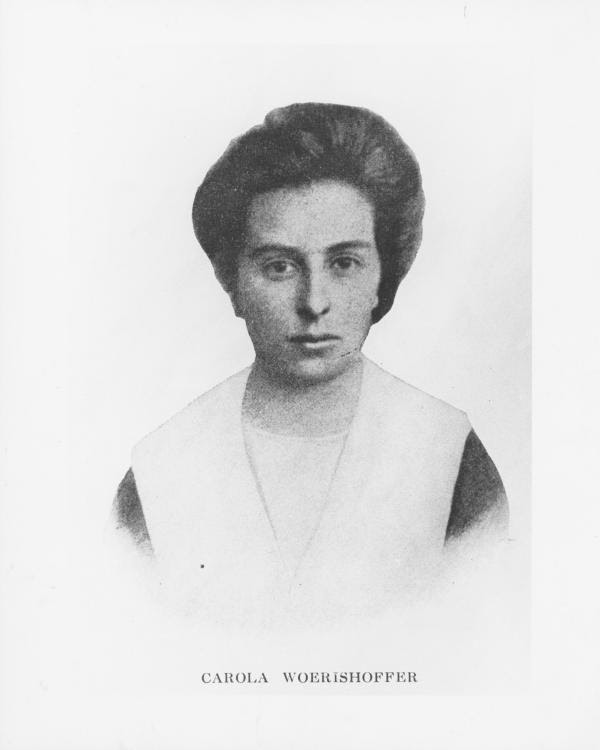
Carola Woerishofer: The Socialite Champion of Workers' Rights

Have you ever heard of Carola Woerishofer? Of course you haven't. Because as Americans, we hate hard-to-pronounce names. "My name is Carola Woerishof--" "Your name is Katie Samuels, congratulations, welcome to America."

Well, Carola Woerishofer (also 'Woerishoffer') is one of the most awesome people you've never heard of.

I came upon her name years ago while finishing The Triangle Fire by Leon Stein. She's only mentioned in one paragraph, but it interested me enough to read more about her. There's not a lot of readily-available information, but there was a lengthy memorial by muckraker journalist Ida Tarbell. Here's the original paragraph I read in Triangle Fire. The setting is the shirtwaist strike of 1909, when the girls in the factories went on strike for three months. They were beaten in the streets and arrested for no legitimate reason:

Carola Woerishofer, young, wealthy, dark-eyed, and a graduate of Bryn Mawr, did it her own way. She used her money to buy houses. Then she haunted the entrance to the Jefferson Market Court at Sixth Avenue and Tenth Street and whenever another group of arrested strikers was marched before a magistrate, she was with them in front of the bench armed with a deed, ready to slap it down for their release.


carola woerishofer
That would have been enough for me, but then I read Ida Tarbell's essay and was stunned. Carola Woerishofer exemplified what Tarbell calls "the Revolt of the Young Rich." After the robber barons, steel tycoons and Wall Street magnates started accumulating their wealth, they had children. Who were, of course, very very rich children. And, possibly because of the socially turbulent and progressive times, they wanted to do something with their money; they wanted to help people and understand classes other than their own. Not all of them, of course, but enough that it became a marked trend. 

Her support of the factory girls on strike was possible because when the courts demanded real estate security as a bond for their release, her mother transferred $90,000 of real estate to her (remember, this was 1909) for $1. She said she would remain in the court "as long as the strike lasted."

Carola Woerishofer worked in the steam laundries of New York for four months so she could report the working conditions to the Consumers' League. Four months, in stifling conditions, with no hint given of who she really was.

Tarbell writes of strike funds established, factories inspected, gifts to the needy given (anonymously), and an unshakable sense of what needed to be done, always followed by action.

I wish her life had been longer so that it was possible to see what she would have done during WWI and the Great Depression, but in 1911, at the age of 26, she was driving in bad weather, the car skidded and went down an embankment, and she died of resulting injuries.

I know of very few people who have lived up to the maxim "To whom much is given, much is required," but Carola Woerishofer counts among them. 

Thursday, September 17, 2015

Illinois League of Women Voters and other things you are totally interested in

Due to my extreme interest and involvement in Frances Willard, I was invited by someone who works with the Frances Willard Historical Association to attend the Illinois League of Women Voters' luncheon in honor of its 95th year of existence AND its founder Carrie Chapman Catt AND women in politics.

This was held at the Place of Fancytimes, i.e. the Union League Club. Would you like to see its fanciness, yes of course you would:


fancy.

The speaker was Dianne Bystrom, the director of the Carrie Chapman Catt Center for Women and Politics. The main reason I was excited was because there was going to be a talk on Carrie Chapman Catt. WOULDN'T YOU BE SHE IS VERY IMPORTANT. 

Carrie Chapman Catt: Gettin' shit done like a boss

She was the president of NAWSA (National American Woman's Suffrage Association), which is the group Alice Paul SPLINTERED from because she wanted them to be more radical. But Catt worked with Susan B. Anthony and Jane Addams and Elizabeth Stone Blackwell and Anna Howard Shaw and basically everyone important to the suffrage movement, so be aware of it.

Bystrom gave a brief overview of her life, and then the timeline of women's suffrage in the United States, followed by a talk about women in politics today, which mostly discussed numbers and then she said that one of the key differences between women and men when they're deciding whether to run for political office is women have to be asked to do it, whereas men are more "I am awesome and should get this job."

Unless you are Leslie Knope, in which case you are great and we should
all look up to you in all things including waffle-eating

The Illinois attorney general, Lisa Madigan, was there, which meant I got to elbow my way past many many older ladies as soon as the lunch ended so that I could thank her for her support of marriage equality in Illinois in 2013. THEY WERE VERY EMOTIONAL TIMES you do not even know, and having people in power in Illinois say they supported marriage equality when other people were saying very, very hurtful things meant a huge amount. 

Lisa Madigan refused to defend the ban on it, which was our very government saying "this is bullshit," which is what you need to hear when you have another large group saying you're an unfit parent and can't be monogamous and that they really just feel very icky about you. So I remain very grateful to her, and I'm glad I got to thank her two years after the fact.

LADIES' LUNCHEONS FOR ALWAYS.

Tuesday, September 15, 2015

Empire of Sin: 1900s New Orleans had some SHIT going down


Empire of Sin is about New Orleans from the 1890s to the 1920s. And it's pretty great.

IN THIS BOOK, you've got the famed red-light district called Storyville, you've got the beginnings of jazz, you've got murders by the Mafia, you've got Carrie Nation smashing things up with her ax, you've got a serial killer roaming the streets -- NEW ORLEANS HAS ALWAYS BEEN INTERESTING is my point.

New Orleans was from the beginning a city of "rough, ungovernable men and women of dubious morality."


You go from the mob lynching of Italian men in 1891 at the Parish Prison, to the legal dissolve of Storyville around 1917, so it doesn't cover the ENTIRE history of New Orleans, but more the highlighted Extremely Dissolute Time (i.e. the time you want to read about).

The author, Gary Krist, switches back and forth between areas of interest like a George R.R. Martin of city histories, so you never get too bored with one subject. He's also sneaky and makes you learn about jazz. If someone had been like "Hey, I got this book about jazz history for you!" I'd say "THANKS NO BYE." But in this book, you think you're gonna be reading about turn of the century prostitutes and it TRICKS YOU into learning about jazz. And you're not even mad, because you typed Jelly Roll Morton and Louis Armstrong and Sidney Bechet into Spotify and listened and the sound is so clearly one of the reasons music exists that all you can be is happy you found out about it.

'Jazz,' as one historian would later put it, represented the equivalent of 'musical miscegenation.'

PEOPLE IN NEW ORLEANS DID NOT LIKE JAZZ. I mean, some of them loved it. But there were people who loved it and people who thought this about it:

Why is the jass music, and, therefore, the jass band? [sic] As well ask why is the dime novel or the grease-dripping doughnut? All are manifestations of a low streak in man's tastes that has not yet come out in civilization's wash

Louis Armstrong thinks you should maybe take a seat, son.

Jazz didn't start in Storyville (I believe the consensus is it started in Black Storyville), but it was popularized there. Jazz musicians would play for famous madams, who would hire them to be in their parlor until the wee small hours, playing for guests so they could dance. There was Buddy Bolden and Kid Ory and aforementioned Armstrong, Bechet, and Morton, as well as a ridiculous amount of other hugely talented musicians, all espousing this new art form.

Louis Armstrong started playing when he was just a kid, and one of my favorite little stories about that time of his life was told by Kid Ory: 

He always came accompanied by Benny, the drummer. In the crowded places, Benny would handcuff Louis to himself with a handkerchief so Louis wouldn't get lost.
Benny was a giant man, and if anyone would mess with Louis or his friends, Benny would hit those people over the head with one of his mallets.

I've known about the Axeman of New Orleans for a while, mostly due to my persistent reading up on serial killers of the past and present. The Axeman terrorized New Orleans from 1918 to 1919 (they weren't going through enough with World War I and the Spanish Flu? No? Thanks, dude. Dick.) and was never caught. He was also portrayed by Danny Huston on American Horror Story: Coven!

Oh yeah, the Axeman's purportedly into jazz. TIE-INS.

I like how Krist tries to make Storyville somehow noble, when people were going there to have sex and gamble while listening to SINFUL JAZZ MUSIC:

The exchange of loveless sex for money...carries with it an ethos that no amount of velvet, Champagne, and gold leaf can make any less degrading. But Storyville was an attempt, at least, to forge a compromise between human ideals and human nature, to rationalize the inevitable and alleviate the harm of activities that realistically could not be abolished. Or so the city's progressive reforms believed, at least for a time.
Yeah, the new crop of reformers after the 1890s changed those beliefs. OUTRIGHT BANS, that's how you deal with a problem; look how it worked with Prohibi--oh that's right, you haven't found that out yet.

There is in fact a good argument for Storyville having been "an oasis of relative racial tolerance" in a New Orleans that was gradually growing more and more segregated, especially with the new "separate but equal" Supreme Court Decision. This occurred in 1896 when Homer Plessy, a New Orleans man, bought a ticket for a train heading to Covington, Louisiana, and sat in the "whites only" section. He was promptly arrested and the U.S. skirted the 14th Amendment by declaring "separate but equal" and a wave of states began instituting Jim Crow laws.

Storyville managed to avoid these and mixed its jazz musicians and racially diverse prostitutes with the city's white denizens, until about 1908 when this seemed more and more dangerous to the misguided reformers and they first segregated, then shut down Storyville.

So! Scandalous happenings, fun anecdotes, a better understanding of one of our oldest cities, told in a clear, well-written way. I am a fan of this book. You should read it.

Friday, September 11, 2015

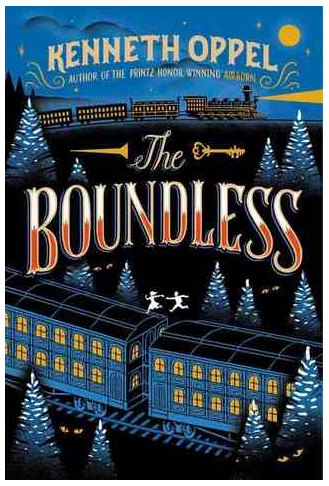
The Boundless by Kenneth Oppel: Adventure! Trains! Canada!

The ever-lovely Emily of As the Crowe Flies and Reads sent me the book The Boundless, because I coveted it due to its kickass cover art.


The Boundless is about a train of the same name, SEVEN MILES LONG, as it whisks across the Canadian wilderness with a young man named Will in tow. Will is great. We love Will. He is also in danger because there's a gold and diamond railroad spike (the final spike from the building of the railroad, that they obviously IMMEDIATELY removed after driving it in) in the heavily secured funeral car, and he is in the way of the dastardly people trying to steal it.

The way they set up the funeral car means you immediately think 'oh. he's gonna end up having to break inside that car.' But rather than it being an annoying predictable sort of twist, you're psyched for when it's gonna happen.


"Good luck to anyone who gets inside, is all I can say." 
"But didn't you say the funeral car had no door?" 
"What what we've told the papers. The car's made from the full of an old battleship, steel plates half an inch thick. But even so there's a door." 
"Where?" Will asked. 
His father's expression is poised between amusement and annoyance. "There are limits to what I'll tell you," he says. "But the key isn't just for the door. Before you can even open the door--if you can find it--there's another lock that needs attention."

HOP ON BOARD IT'S GONNA GET MYSTERIOUS

I love stories that take place in closed environments like locked-down buildings or trains or buses (I haven't forgotten you, Speed, though all the rest of the world might), so I am all about this book. Also there is the noble Sasquatch character!

Like this, but different

You also learn some Canadian history, DESPITE YOUR VERY WILL. And he adds in all these mythological/folklorish/crytozoology creatures, which should be everyone's jam. 

Oppel's also written two books about a young Victor Frankenstein, the first of which is The Dark Endeavour, which I'm not saying I'm going to read, but I'm totally going to read it.

MORE CANADIAN TRAIN SASQUATCH MYSTERY NOVELS.

Thursday, September 10, 2015

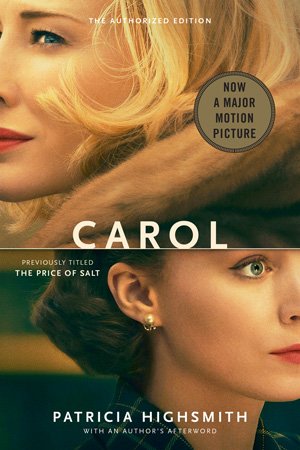
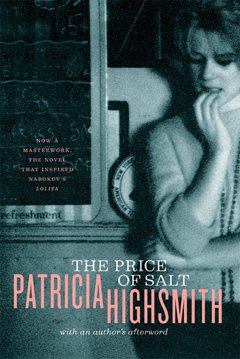
The Price of Salt (or "Carol") by Patricia Highsmith: The most progressive lesbian novel of its time and before

All right. Gonna sit down and talk about The Price of Salt, also known as Carol, by Patricia Highsmith.


Why is this book relevant to you AT ALL? Well, the movie version's about to be released, starring Cate Blanchett and Rooney Mara, so if you like those ladies, you might want to read this beforehand.

SO. Book. What are you.

There is a girl. Named Therese. The year is 1953 (or thereabouts), and she starts out the book working in the doll section of a department store. She's 21, trying to get work as a set designer in the theatre, and is thoroughly depressed by her job. Mainly because she sees herself being ruled by The Man and his Corporation. It doesn't help that her co-workers have been there for years and seem ideal candidates for a Karl Marx diatribe on capitalism quashing the Human Spirit. 

So you know something's going to change for her, because 1) This is a pretty famous lesbian novel, and none of her co-workers seem like good pair-ups for her, and 2) She really doesn't want to end up like said co-workers. MOTIVATION.

The beginning made me a bit nervous, as I very much do not like depressing novels. Or novels where someone is in a depressing situation and the author is trying to Show Something by never ever getting her out of it (lookin' at you, Sinclair Lewis's Main Street). BUT, I soldiered on, because I knew something about this book, and that something is the reason I picked it up.

SLIGHT spoiler, I guess, but it's the one I had going in and you don't know how it's going to happen; you just know it's going to happen: this...is a lesbian novel that ends happily. 


"WHAT?" you thunder. Yes, I know. Or you would thunder if you were aware of the ending of every other LGBT novel that was ever published before this one ever. Gay characters had to be punished, and that was the end of that. Except Patricia Highsmith said fuck that shit. Again, IN THE EARLY 1950s. Here's her in the afterword:


Prior to this book, homosexuals male and female in American novels had had to pay for their deviation by cutting their wrists, drowning themselves in a swimming pool, or by switching to heterosexuality (so it was stated), or by collapsing—alone and miserable and shunned—into a depression equal to hell.


Ok, so Therese is working at this doll counter, and then one day she sees this beautiful, well-dressed lady walking towards her, and she immediately turns into a panicking creeper, like most of us would if approached by a super-hot rich person (...or maybe that's just me).

Beautiful, Well-Dressed Woman (Carol) wants a doll, so Therese finds one for her, which Carol when wants shipped, so Therese has her address. FURTHERING THE CREEPER IMAGE, she writes her a card, only Carol is somehow really into this, and they go out to lunch together.

Then Therese starts going over to Carol's house all the time. Which is weird, but ok. And Carol seems like an okay person, but distant, and fairly condescending, and it just makes you feel kind of awkward and like "Thereeeeese, I don't want you to get huuurt," because the book's all Third Person Limited narration, so you identify with Therese and not so much with Carol, and when Therese buys Carol an expensive handbag and Carol's later like "You didn't have the money for this; you shouldn't have bought it," you CRINGE.

They end up going on a road trip from New York, and cover a lot of the country, and it's totally great and something we should all do. Then really stressful, bastardy 1950s things happen, BUT THEN the last 20 pages. Oh, the last 20 pages. They make this book. 

The cover says it inspired Lolita, which I assume is because older person/younger person and a lengthy American roadtrip. Only with no pedophilia! What a bonus.

There's a fantastic big long quote in it, but people don't read big long quotes, even if they're fantastic, so here's the tail end of it, which sums things up nicely (1950s Highsmith, I want to hug you):

But the most important point I did not mention and was not thought of by anyone—that the rapport between two men or two women can be absolute and perfect, as it can never be between man and woman, and perhaps some people want just this, as others want that more shifting and uncertain thing that happens between men and women.

Yes. This. 

It's well-written and thought-provoking and ahead of its time and all that jazz. Hurrah.

Wednesday, September 9, 2015

Euphoria by Lily King: Sexy Anthropologists Writing Sexy Anthropology Books in 1930s New Guinea

Euphoria is, according to Lily King, "borrowed from the lives and experiences of [Margaret Mead, Reo Fortune, and Gregory Bateson]" but she "told a different story" about them.

fresh prince will smith hm


It's about three anthropologists in Dutch New Guinea in the 1930s: Nell, Fen, and Bankson. Nell and Fen are married but you sense there's STUFF there. On their way back from staying with a tribe, they run into Bankson, who is desperately lonely (and also the narrator for most of the book). The three form up into a tight group while Bankson falls in love with Nell, Fen does weird things on his own, and Nell really wants to interview just a few more natives, no for real this time, she'll stop soon. 

When, in the middle of reading the book, I realized it was heavily heavily heavily based on the life of Margaret Mead, I read a little about her. That little made me want to read more about her, so I'm indebted to Euphoria for that (thanks, book). But then it goes WAY OFF THE RAILS, which makes sense with the "told a different story" thing, but if you're going to keep things like your anthropologist protagonist lady marries a New Zealander and then has some intense chemistry with an Englishman in New Guinea whose brother shot himself under the statue of Anteros in Piccadilly Circus -- ALL OF WHICH HAPPENED TO MARGARET MEAD -- then maybe don't suddenly take a weird left turn at the end, y'know?

everything was making sense and now it doesn't


There are some damn great quotes in this book. It's more atmospheric than plotty, so you're hanging out with some anthropologists in New Guinea, feeling like maybe they could all get murdered at any time, because honestly, who just shows up in a small village and tells them you're now living there?

"Americans make such good anthropologists because they're so bloody rude."

King also knew that you can get AliceApproval with basically any sentence involving stars (#truth), and she has a section about the three anthropologists going down the river towards another village, and it's like reading an older travelogue when they knew you probably would never actually get to that place, because airplanes haven't become popularized enough yet, so they are going to describe it very clearly for you:

We passed through a long swath of fireflies, thousands of them flashing all around us, and it felt like soaring through stars.

tangled floating lanterns
DO YOU THINK IT LOOKED LIKE THIS

Questions I have for Lily King:

1. Why darkly hint about Nell's pregnancy from when they were living among the earlier natives? Dark hints that NEVER get explained. This happens on more than one occasion. Fen also rants about his mother and DARKLY HINTS at things, and I had no idea what the hell was happening. I texted Alley, because she'd already read and reviewed the book, but this is as far as we got:


2. So. What's up with that twist ending, hm? 

3. WHY IS THIS EXCELLENT:

I splashed around in the shallows and we looked at the stars and talked about death and named all the dead people we knew and tried to make a song out of all their names.

You know when you have a truly remarkable experience and you try to write it down, but you end up just listing things and it doesn't capture it at all? That's the above. So it sounds dry and whatever, but it's expressing the inadequacy of naming things without also talking about what you were feeling, something King touches on later in the book.

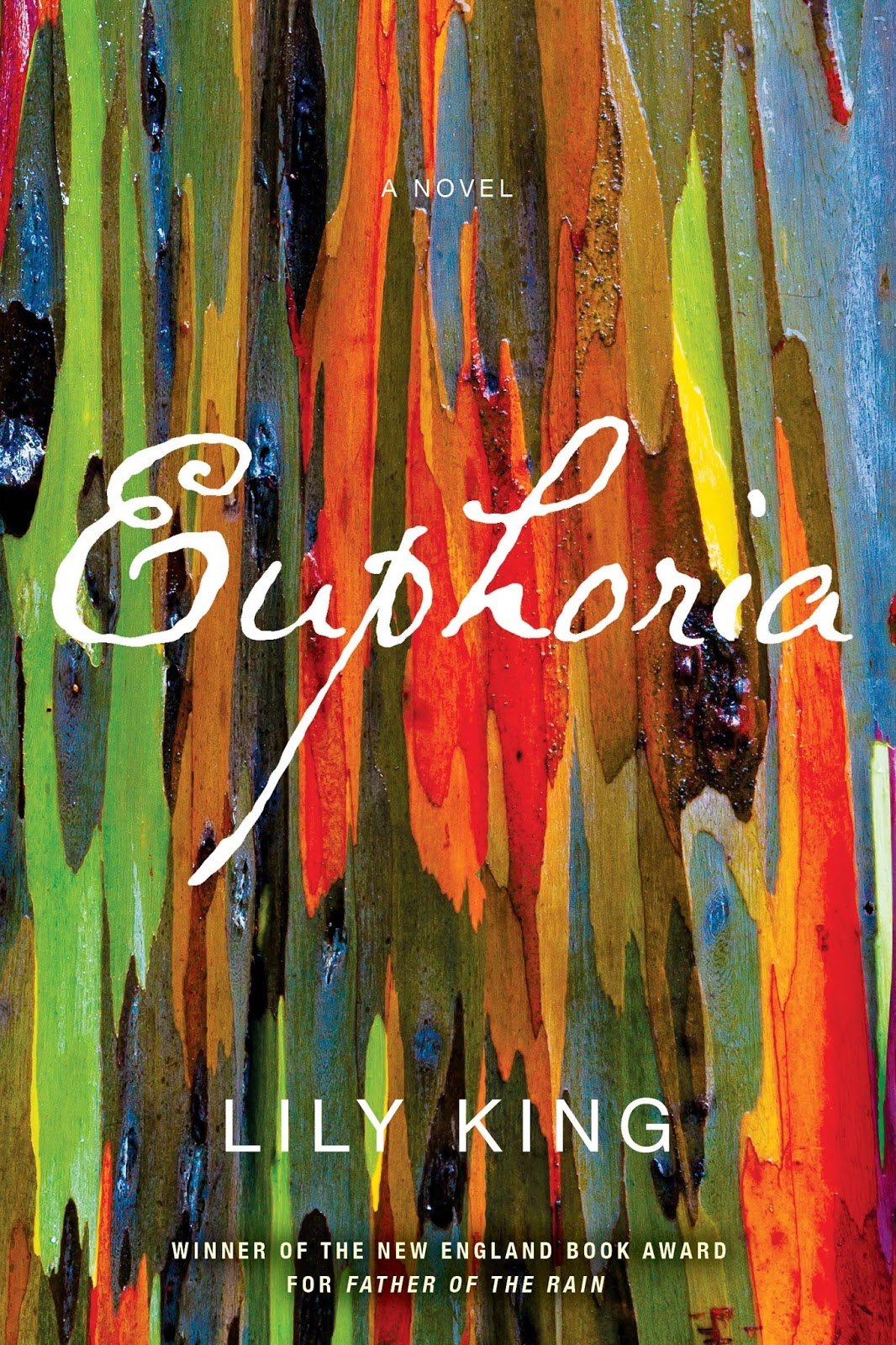
I like anthropology a LOT and I like thinking about cultures and why they are the way they are a LOT, so while this book was occasionally frustrating due to allusion rather than explanation, King remains an excellent writer who wrote a very good book with a very pretty rainbow gum tree as its cover image:

euphoria by lily king cover

"I think above all else it is freedom I search for in my work, in these far-flung places, to find a group of people who give each other the room to be in whatever way they need to be. Any maybe I will never find it all in one culture but maybe I can find parts of it in several cultures, maybe I can piece it together like a mosaic and unveil it to the world."

Saturday, September 5, 2015

Webby Weekend: Things Liked and Recommended

Webby Weekend! It's new! Does the name make sense? Don't think about it!

The weekend is a time for Netflixing and looking at GIFs. So what's great in that world?:


Wet Hot American Summer: First Day of Camp.
 I went into this show not even having finished the movie, but after watching the first episode, I tried the movie again, loved it, and now this show is one of the best things. Highlights: No one acknowledging that all the teens are in their 40s/Paul Rudd in everything he does.


truth.

Rita.
It's about schoolteachers and it's in Danish!

Look. I know. I think languages are the bomb and I STILL think 'ugh, subtitles' when I see them. But you forget about it so quickly when you're watching a rebellious schoolteacher/mom take on the ESTABLISHMENT. Highlights: Every scene fellow teacher Hjørdis is in/That part where Rita gets super-pissed because one of her students' hippie parents want sugar banned from class.

I love Hjørdis.
Internet Stuff.


Gillian Anderson in House of Mirth. Get it. Watch it. Love it.

And because I mentioned GIFs here is my favorite one ever aside from Oprah and bees:

Friday, September 4, 2015

Dickens Novels Ranked By What They're Willing to Do for Me

I've read just over half of Dickens's novels/novellas, and if we leave out some of the Christmas ones, here they are, ranked mostly by how much I like the couples in them:

1. Bleak House. Bleak House is the best of all Dickens's work, do not debate me, I will fight you. You've got a take-down of the civil law courts, scheming French ladies, and INSANE colonization ideas. Sir Leicester's love for Lady Dedlock is tear-inducing, and we all appreciate Ada's super-gay love for Esther, I am sure.

2. The Mystery of Edwin Drood. Dickens didn't even finish this book and I love it. There's a possible murder! Mysterious twins! An opium-addicted church choirmaster! 10/10 for Rose/Helena scenes, Dickens.


3. A Christmas Carol. As previously stated, A Christmas Carol is perfect.

4. Our Mutual Friend. I should knock this down the list because Dickens pulls a nasty trick on the reader and cheapens the whole book, but Mature Dickens is so good and I cannot put it below 4. Our Mutual Friend deals with avarice and London's East End and there is a SHOCKING death at the end.

5. Little Dorrit. I know nothing about this novel other than the fact there's a pretty obvious lesbian in it, which has given me HIGH EXPECTATIONS, as it's also in Dickens's late period, so it's probably gonna be pretty great.

I JUST SEARCHED FOR LITTLE DORRIT GIFS AND
FOUND THIS I AM SO EXCITED

6. Pickwick Papers. Pickwick is hilarious. It's the Earliest Dickens Novel, so it's episodic (that was his style back in the day) and is just about a group of older Englishmen getting into ridiculous situations. Fan-tastic.

7. Dombey and Son. I know nothing about Dombey and Son, but I again have high hopes for it. I think I heard at some point that there is no Son part of Dombey and Son? Or maybe there is one and he just doesn't want to do the family business. Regardless, there are definitely some super-fun characters in it with great names. #Dickens

8. The Old Curiosity Shop. I LOVE RICHARD SWIVELLER. Oh what a wonderful and unexpected turnaround of a character. The death of Little Nell is ridiculous and Victorian and no one cares anymore, but Richard Swiveller. I love him.

9. Martin Chuzzlewit. What are you about, Book With a Fun Name! I'm wary of you because you're pretty close to Barnaby Rudge in terms of publication date, but maybe you'll surprise us all and be great.

10. David Copperfield. I'm pretty sure that my extreme wariness re David Copperfield stems from the fact all these people say it's the closest thing to Dickens's autobiography, and I don't really like Dickens. I'm pretty sure it's going to involve a lot of anger towards his mom, because oh man, he had a LOT of anger towards his mom.

11. Nicholas Nickleby. One time I decided to walk the two miles from my apartment to the downtown Chicago library branch, and I packed some cheese and bread in my bag and I felt like Nicholas Nickleby going on the road and it was the FUNNEST.

12. Oliver Twist. While the character of Oliver is an idiot, this book did provide the framework for the musical Oliver!, which has the very complicated and wonderful character of Nancy. She's ok in the book, but not nearly as fleshed out, as this book is by Dickens and Dickens only cares about you as a woman if you're 16 and virginal.

Kate Beaton gets it.

The last four are hard because I dislike them all. So the order's pretty arbitrary.

13. Hard Times. This is Dickens's rant against Utilitarianism. It's extreeeemely preachy. Louisa Gradgrind's pretty cool and has a kickass name, but he still basically punishes her at the end, because he is Dickens.

14. A Tale of Two Cities. The Victorians need to stop writing about previous centuries, because they all pretty much suck at it. No, I haven't READ Tale of Two Cities and yes, I THOROUGHLY love the musical version by Jill Santoriello, but I've skimmed excerpts and ugh. Ugh. Dickens sometimes has this tendency to make these characters who are Bland Heroes or Misunderstood Dudes Who Just Wanted to Bang That 16-Year-Old, and I am occasionally sick of it.

15. Great Expectations. My brother after I read this: "I guess it didn't quite...live up to your expectations? Ahahahaha." But for serious, I hate this book.

16. Barnaby Rudge. BUT NOT AS MUCH AS I HATE BARNABY RUDGE. As I say in Barnaby Rudge: The Phantom Menace of Dickens Novels, fuck Barnaby Rudge. That book took me 3 years to read. It's all about the Gordon Riots of 1780 -- GOOD TOPIC FOR A NOVEL, DICKENS -- and it is super-boring and the worst. Never read it ever.